LS Transmission Manual: A Comprehensive Guide
Embark on your LS swap journey! This guide details manual transmission conversions‚ covering budget builds to performance upgrades‚ utilizing resources like YouTube tutorials and community forums.
The LS engine swap has become incredibly popular‚ offering a potent and relatively affordable path to increased performance. However‚ many enthusiasts desire the engaging driving experience of a manual transmission. Combining the LS engine’s power with a manual gearbox requires careful planning and component selection.
This involves more than simply bolting a transmission to an engine; it necessitates addressing compatibility issues with the vehicle’s drivetrain‚ including the bellhousing‚ clutch‚ flywheel‚ and shifter mechanisms. Online resources‚ such as YouTube channels dedicated to LS swaps‚ provide valuable insights and step-by-step guidance. Successful swaps demand understanding the nuances of each component and ensuring proper integration for a reliable and enjoyable result.
Why Choose a Manual Transmission for Your LS Swap?
Opting for a manual transmission in an LS swap delivers a more connected driving experience. It grants complete control over gear selection‚ enhancing driver engagement and providing a visceral feel often lost in automatic systems. Beyond the driving pleasure‚ manual transmissions can offer improved efficiency‚ potentially yielding better fuel economy compared to automatics.
Furthermore‚ manual swaps often represent a cost-effective alternative‚ particularly when considering the long-term reliability and maintenance expenses associated with complex automatic transmissions. The ability to directly control power delivery also unlocks greater potential for performance tuning and customization‚ appealing to enthusiasts seeking a truly personalized vehicle.
Popular LS Engines for Manual Transmission Conversions
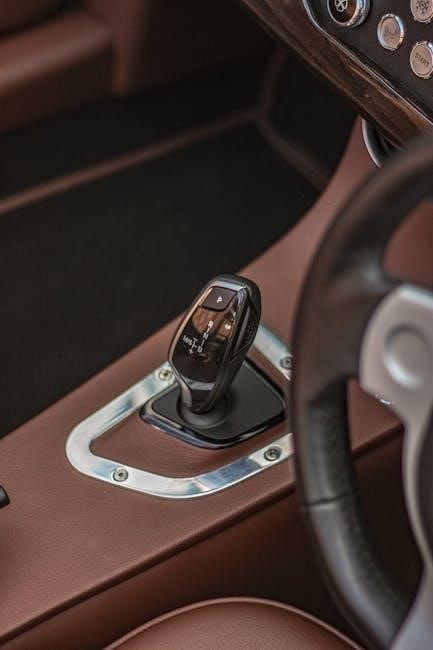
The LS engine family offers a wide range of options suitable for manual swaps. The LS1‚ renowned for its power and readily available aftermarket support‚ is a frequent choice. The LS3‚ boasting increased displacement and horsepower‚ provides a significant performance upgrade. For budget-conscious builds‚ the LS2 offers a compelling balance of power and affordability.
Truck-based LS engines‚ like the LM7 or L59‚ are also popular‚ particularly when paired with robust transmissions like the NV3500. The LS9‚ a supercharged powerhouse‚ demands a high-performance manual transmission to handle its immense output. Ultimately‚ the “best” LS engine depends on your project goals and budget.
Compatible Manual Transmission Options
Several manual transmissions seamlessly integrate with LS engines. The T56‚ a six-speed known for its strength and availability‚ is a popular upgrade. The T5‚ a five-speed‚ presents a budget-friendly alternative‚ though with lower torque capacity. For truck applications and increased durability‚ the NV3500 is a robust choice.
Modern options include the Tremec TKX‚ offering enhanced shift quality and gear ratios. Adapting transmissions from other vehicles‚ like the Ford T-5‚ is also possible with the correct adapter hardware. Careful consideration of torque capacity and intended use is crucial when selecting a transmission.
T56 Transmission: Overview and Variations
The T56 is a highly sought-after six-speed manual transmission for LS swaps‚ renowned for its durability and performance capabilities. Originally found in GM’s F-body cars and Corvettes‚ several variations exist. The LT1 T56 (1997-2000) differs from the LS1 T56 (2001-2002) in input shaft spline count and tail housing.
MagnaSteer and non-MagnaSteer versions also impact compatibility. Aftermarket support is extensive‚ offering rebuild kits and upgraded components. Choosing the correct T56 variant depends on engine power and desired driving experience. Adapters are readily available for various LS engine blocks.
T5 Transmission: A Budget-Friendly Choice
The T5 transmission presents a cost-effective alternative for LS manual swaps‚ particularly for lower-horsepower applications. Sourced from various GM vehicles like the S10 and Camaro‚ it’s a five-speed manual known for its affordability and relative simplicity. However‚ it has limitations.
The T5 generally handles up to around 350 horsepower‚ making it suitable for mild LS builds. Upgrades like stronger input shafts are available‚ but the overall durability isn’t comparable to the T56. Adapters are necessary for LS engine compatibility‚ and careful consideration of gear ratios is crucial for optimal performance.
NV3500 Transmission: Durability and Truck Applications
The NV3500 is a robust five-speed manual transmission‚ frequently found in heavy-duty GM trucks and SUVs. Its strength makes it an excellent choice for LS swaps intended for towing‚ hauling‚ or higher horsepower levels. It’s significantly stronger than the T5‚ capable of handling substantial torque.
While not as refined as the T56‚ the NV3500 offers exceptional durability. Adapters are required for LS engine compatibility‚ and its typically wider gear ratios are well-suited for truck applications. It’s a popular option for those prioritizing reliability and strength over sporty driving feel.
Clutch Selection for LS Manual Transmissions
Choosing the right clutch is crucial for a successful LS swap. Consider your engine’s power output and intended use. A stock LS engine can often utilize a basic street clutch kit‚ while modified engines demand upgraded components.
Single disc clutches are cost-effective for moderate power levels‚ offering good drivability. Twin disc clutches provide superior clamping force and heat dissipation‚ ideal for high-horsepower applications and aggressive driving. Pay attention to clutch disc diameter and spline count for compatibility. Proper clutch selection ensures smooth engagement‚ prevents slippage‚ and maximizes power transfer.
Single Disc vs. Twin Disc Clutch Kits
The choice between single and twin disc clutch kits hinges on power and driving style. Single disc kits are generally more affordable and suitable for street-driven LS swaps with moderate horsepower – typically under 500. They offer a comfortable pedal feel and good daily drivability.
Twin disc kits‚ however‚ excel in high-performance scenarios. They provide significantly increased clamping force‚ preventing slippage with engines exceeding 500 horsepower. While more expensive‚ they handle abuse better and offer consistent performance. Consider the trade-off between cost‚ pedal effort‚ and the demands of your LS build.
Clutch Pedal and Master Cylinder Considerations
Proper clutch engagement relies on compatible pedal and master cylinder setups. When swapping to a manual transmission‚ ensure your vehicle’s pedal assembly is appropriate or requires modification. Aftermarket pedal assemblies often provide improved leverage and feel.
Master cylinder selection is crucial. Choose a diameter that complements your clutch disc size and desired pedal effort. Smaller diameters increase pedal effort but offer quicker engagement. Hydraulic throw-out bearings are common in LS swaps‚ requiring a compatible master cylinder. Careful consideration ensures smooth shifting and prevents premature wear.
Flywheel Options for LS Engines
Selecting the right flywheel is vital for a successful LS manual swap. Options range from stock replacements to lightweight performance flywheels. Stock flywheels offer a balance of cost and durability‚ suitable for daily drivers. Lightweight flywheels enhance engine responsiveness and acceleration‚ ideal for performance builds.
Consider your transmission and clutch. Flywheel bolt patterns must match your chosen transmission. Dual-drilled flywheels offer flexibility for various transmissions. Ensure the flywheel weight aligns with your driving style and engine modifications. Proper flywheel balancing is essential to prevent vibrations.
Bellhousing Selection and Compatibility

The bellhousing securely connects the engine and transmission‚ demanding careful selection. Compatibility hinges on the LS engine series and the chosen manual transmission. Aftermarket bellhousings often provide greater flexibility‚ accommodating various combinations. Ensure proper alignment between the engine and transmission to avoid issues.
Consider starter compatibility and clutch linkage. Some bellhousings require specific starters. Provisions for clutch linkage – hydraulic or cable – must be present. Material choices‚ like steel or aluminum‚ impact weight and strength. Verify bolt patterns and dimensions before purchase to guarantee a proper fit.
LS Transmission Mounts and Crossmembers
Securely supporting the transmission is crucial; this is achieved with mounts and crossmembers. Factory mounts may not fit LS swaps‚ necessitating aftermarket solutions. Crossmembers provide the primary support‚ spanning the chassis and attaching to the transmission. Fabricated crossmember options offer customizability‚ while aftermarket crossmember kits provide a bolt-in solution.
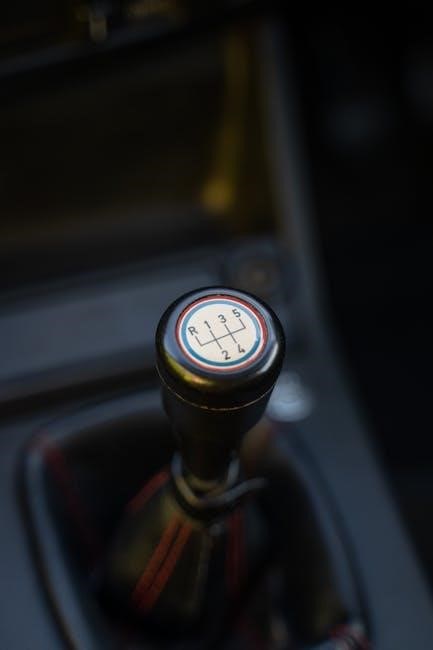
Consider transmission positioning and driveline angles. Proper alignment minimizes vibrations and stress. Polyurethane mounts offer increased stiffness compared to rubber‚ enhancing handling; Ensure the crossmember clears exhaust components and other chassis features. Robust construction is vital to withstand engine torque and vehicle loads.
Fabricated Crossmember Options
For ultimate customization‚ fabricating a transmission crossmember offers tailored fitment. This approach requires welding skills and precise measurements‚ ensuring proper transmission alignment and driveline angles. Utilize strong steel tubing or plate‚ designing for maximum rigidity to withstand engine torque. Consider mounting points on the chassis frame rails‚ reinforcing them if necessary.
Fabrication allows clearance for exhaust systems and other components. Careful planning prevents interference. Polyurethane bushings can be incorporated for enhanced stability. While demanding‚ a custom crossmember provides a precise and robust solution‚ perfectly suited to your specific LS swap and vehicle configuration.
Aftermarket Crossmember Kits
Aftermarket crossmember kits streamline the LS swap process‚ offering pre-engineered solutions; These kits typically include a fabricated crossmember‚ mounting hardware‚ and sometimes transmission mount bushings. They are designed for specific vehicle applications‚ ensuring compatibility and simplifying installation. Kits often provide adjustable positioning‚ allowing for fine-tuning of driveline angles.
Popular brands offer varying levels of quality and adjustability. Consider the kit’s construction material and mounting points. Polyurethane bushings are common‚ enhancing stability and reducing vibration. While generally more expensive than fabrication‚ kits save time and effort‚ providing a reliable and well-supported transmission mounting solution.
Driveshaft Considerations and Length Calculation
A correctly sized driveshaft is crucial for a successful LS swap. Changing the engine or transmission alters driveline angles and overall length. Accurate measurement is paramount to avoid vibration and component stress. Measure from the yoke center to yoke center with the suspension at ride height.
Consider the differential’s pinion angle; adjustments may be needed. Driveshaft speed (RPM) at highway speeds should be within safe limits. Choose a driveshaft material – steel‚ aluminum‚ or carbon fiber – based on power levels and budget. Professional driveshaft shops can custom-build a driveshaft to your exact specifications‚ ensuring optimal fit and performance.

Shifter Options and Placement
Selecting the right shifter enhances the driving experience. Options range from stock-style replacements to short-throw shifters for quicker‚ more precise gear changes. Consider your driving style and intended use when choosing. Placement is key; ensure comfortable reach and minimal interference with the console.

Console modifications are often necessary to accommodate a manual transmission shifter. Aftermarket consoles designed for LS swaps simplify this process. Remote shifters offer flexibility in placement but may introduce additional linkage. Proper alignment is crucial for smooth shifting; adjust as needed for optimal performance and driver comfort.
Short Throw Shifters for Enhanced Performance
Short throw shifters dramatically reduce shift lever travel‚ resulting in faster gear changes and a more connected feel. They minimize the distance between gears‚ allowing for quicker transitions during spirited driving or track use. Installation typically involves replacing the factory shifter mechanism with an aftermarket unit.
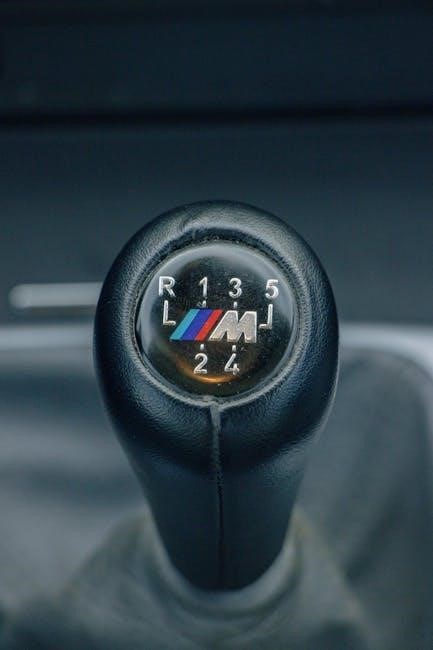
Consider the reduction ratio when selecting a short throw shifter; a higher ratio means shorter throws but may require more effort. Ensure compatibility with your specific transmission model. Potential drawbacks include increased shifter notchiness or a firmer shift feel. Proper adjustment is vital for optimal performance and to avoid binding.
Console Modifications for Manual Transmissions
Converting to a manual transmission often necessitates console modifications. Factory consoles designed for automatic transmissions typically won’t accommodate a manual shifter. Common alterations include trimming or replacing the console base to create an opening for the shifter. Aftermarket consoles specifically designed for manual swaps are available‚ offering a cleaner‚ more integrated appearance.

Consider the shifter’s position and ensure sufficient clearance within the console. You may need to modify the console’s internal structure to support the shifter. Carefully plan the modifications to maintain a factory-like finish and avoid rattles. Properly securing the console is crucial for safety and comfort.
Wiring and Electronic Considerations

LS swaps require careful attention to wiring and electronics. Integrating the manual transmission necessitates addressing the Vehicle Speed Sensor (VSS) to maintain accurate speedometer readings and proper transmission function. The VSS signal must be correctly connected to the vehicle’s computer or instrument cluster. Neutral Safety Switch wiring is also critical; it prevents the engine from starting in gear‚ enhancing safety.
Ensure proper grounding for all electrical components. Some vehicles may require modifications to the engine control unit (ECU) calibration to accommodate the manual transmission. Thoroughly review wiring diagrams and utilize appropriate connectors for reliable connections.
Vehicle Speed Sensor (VSS) Integration
Proper Vehicle Speed Sensor (VSS) integration is crucial for accurate speedometer readings and optimal transmission performance in an LS swap. The LS engine’s VSS output differs from many older vehicles‚ often requiring an adapter or signal conversion. Ensure compatibility between the transmission‚ ECU‚ and instrument cluster. Consider using a standalone VSS buffer or signal generator if direct connection isn’t feasible.
Calibration of the ECU may be necessary to correctly interpret the VSS signal. Incorrect VSS integration can lead to inaccurate speed readings‚ shifting issues‚ and potential diagnostic trouble codes. Verify functionality after installation with a scan tool.
Neutral Safety Switch Wiring
Correct Neutral Safety Switch (NSS) wiring is paramount for preventing the engine from starting in gear‚ enhancing safety during your LS swap. The NSS‚ typically integrated into the transmission‚ interrupts the starter circuit when not in Park or Neutral. Identify the NSS wiring configuration for both the LS transmission and the vehicle’s starting system.
Bypassing the NSS is strongly discouraged due to safety risks. Carefully connect the NSS wires‚ often requiring a wiring harness adapter. Test functionality by attempting to start the engine in gear – it should not crank. Consult wiring diagrams to ensure proper connections and avoid short circuits.
Common Issues and Troubleshooting
LS manual swaps can present challenges. Difficulty shifting gears often stems from improper clutch adjustment‚ air in the hydraulic system‚ or worn synchronizers. Address these by bleeding the clutch line‚ verifying pedal travel‚ and inspecting transmission components. Clutch pedal feel problems – spongy or excessively firm – indicate issues with the master cylinder‚ slave cylinder‚ or hydraulic lines.
Noises during operation may signal low transmission fluid‚ damaged gears‚ or bearing failure. Vibrations could point to a misaligned driveshaft or worn U-joints. Thoroughly inspect all connections and components‚ referencing online forums for common solutions.
Difficulty Shifting Gears
Experiencing trouble selecting gears during your LS swap? Several factors can contribute. First‚ verify proper clutch adjustment; insufficient disengagement prevents clean shifts. Next‚ inspect the hydraulic system for air bubbles – bleed the lines thoroughly. Worn synchronizers‚ common in older transmissions‚ cause grinding‚ especially in higher gears.
Also‚ check shifter linkage for looseness or binding. Ensure the transmission fluid is at the correct level and in good condition. Finally‚ a failing master or slave cylinder can create inconsistent pedal feel and shifting issues. Consult online forums for specific troubleshooting steps related to your transmission model.
Clutch Pedal Feel Problems
Experiencing a spongy‚ hard‚ or inconsistent clutch pedal? This often points to hydraulic issues. First‚ inspect the master and slave cylinders for leaks or internal damage. Air in the hydraulic lines is a common culprit – a thorough bleeding process is crucial. Next‚ check the clutch fork for proper movement and lubrication.
Also‚ ensure the clutch cable (if applicable) isn’t stretched or frayed. Consider the clutch booster‚ if equipped‚ and verify its functionality. Finally‚ a worn or damaged pressure plate can also affect pedal feel. Consult online resources for model-specific diagnostic procedures and repair guides.
Budget Breakdown for an LS Manual Swap
A budget-friendly LS manual swap can range from $2‚000 to $5‚000+‚ depending on component choices. The transmission itself ($500 ー $2‚000) is a major cost‚ with T5 options being cheaper than T56s. A clutch kit ($200 ― $800) varies based on disc type. Don’t forget the flywheel ($150 ― $400)‚ bellhousing ($100 ― $300)‚ and crossmember ($200 ― $500).
Additional expenses include a driveshaft ($300 ― $600)‚ shifter ($100 ー $300)‚ wiring harness modifications ($100 ― $400)‚ and fluids. Factor in potential costs for exhaust modifications and pedal assemblies. Prioritizing used parts can significantly reduce expenses‚ but inspect carefully!
Tools Required for the Installation Process
Successfully completing an LS manual swap demands a well-equipped toolbox. Essential tools include a full socket set (metric and standard)‚ wrenches‚ ratchets‚ and extensions. A torque wrench is crucial for accurate tightening. You’ll also need a jack and jack stands for safe vehicle lifting‚ plus a transmission jack for handling the weight.
Specialty tools like a flywheel holding tool‚ clutch alignment tool‚ and potentially an engine hoist are highly recommended. Don’t forget basic hand tools – screwdrivers‚ pliers‚ and hammers. A multimeter is vital for wiring work. Safety gear‚ including gloves and eye protection‚ is non-negotiable!
Step-by-Step Installation Overview
The LS manual swap begins with engine and transmission removal. Install the flywheel‚ clutch‚ and pressure plate‚ ensuring proper alignment. Carefully mate the transmission to the engine‚ utilizing a transmission jack. Next‚ install the bellhousing and secure it tightly. Mount the transmission using appropriate crossmembers and mounts.
Connect the driveshaft‚ shifter linkage‚ and clutch hydraulics. Wiring is critical; integrate the vehicle speed sensor and neutral safety switch. Finally‚ fill fluids‚ bleed the clutch‚ and thoroughly test the system. Refer to online resources and forums for detailed guidance throughout the process.
Resources and Online Communities
Numerous online resources support LS manual swaps. YouTube channels‚ like those showcasing budget builds (see: youtube.com/watch?v=MpTl4wZ1UFU)‚ offer visual guidance. Forums dedicated to LS swaps provide invaluable advice and troubleshooting support. Websites specializing in performance parts often have detailed guides and compatibility information.
Engage with active communities to learn from experienced enthusiasts. Explore platforms like dedicated Facebook groups and specialized forums for your vehicle make and model. Utilize search functions to find solutions to common issues and share your progress. These communities are essential for a successful swap.
Performance Upgrades for LS Manual Transmissions
Enhance your LS manual swap with strategic upgrades. Short-throw shifters dramatically improve shift speed and feel‚ offering a more connected driving experience. Upgraded clutch kits‚ including single or twin-disc options‚ handle increased power output. Lightweight flywheels improve engine responsiveness and acceleration.
Consider stronger axles and differential components to withstand the added stress. Explore performance-tuned engine management systems for optimized power delivery. Don’t forget about upgraded driveline components to handle the increased torque. These upgrades unlock the full potential of your LS swap.
Long-Term Maintenance and Care
Preserve your LS manual swap’s reliability with diligent maintenance. Regularly check and replace the transmission fluid according to the manufacturer’s recommendations – typically every 30‚000 to 50‚000 miles. Inspect the clutch disc and pressure plate for wear during routine service. Monitor the shifter linkage for looseness and adjust as needed.

Pay attention to any unusual noises or vibrations‚ which could indicate potential issues. Ensure proper lubrication of all moving parts. Consider periodic inspections of the driveshaft and U-joints. Proactive care extends the lifespan and performance of your LS manual transmission.
LS Manual Swap Legal Considerations
Navigating legal requirements is crucial for a compliant LS manual swap. Emissions regulations vary significantly by state and locality; ensure your setup meets applicable standards‚ potentially requiring modifications or exemptions. Verify vehicle registration and insurance compatibility with the engine and transmission changes.
Consult local authorities regarding inspection requirements and potential safety certifications. Be aware of noise ordinances that might impact exhaust system choices. Document all modifications and maintain records for inspections. Prior research avoids legal complications and ensures a hassle-free swap experience.
Future Trends in LS Transmission Swaps
The LS swap landscape is evolving rapidly. Expect increased adoption of direct-fit transmission packages simplifying installation and reducing fabrication. Advanced electronic transmission controls‚ offering customizable shift patterns and performance enhancements‚ will become more prevalent. Hybrid drivetrain solutions‚ combining LS engines with modern transmissions like the 8L90E‚ are gaining traction.
Further development of plug-and-play wiring harnesses and ECU integration will streamline the process. Demand for lightweight components‚ including aluminum flywheels and carbon fiber driveshafts‚ will rise. Focus will shift towards maximizing efficiency and minimizing emissions‚ driving innovation in swap technology.
The LS manual transmission swap remains a compelling upgrade path for enthusiasts seeking a connected driving experience. Careful planning‚ component selection‚ and execution are crucial for a successful conversion. Resources like online forums and YouTube channels provide invaluable support and guidance throughout the process. Budget considerations should encompass all aspects‚ from the transmission itself to supporting modifications.
Ultimately‚ the rewards – enhanced control‚ improved performance‚ and a uniquely personalized vehicle – make the effort worthwhile. Continued innovation in swap technology promises to further simplify and refine the process‚ opening it up to a wider audience.