Mamiya’s robust M645 system‚ detailed in available service manuals‚ offers a blend of mechanical precision and optical quality․ These manuals‚ often found as PDF files‚ guide users through repair and maintenance․
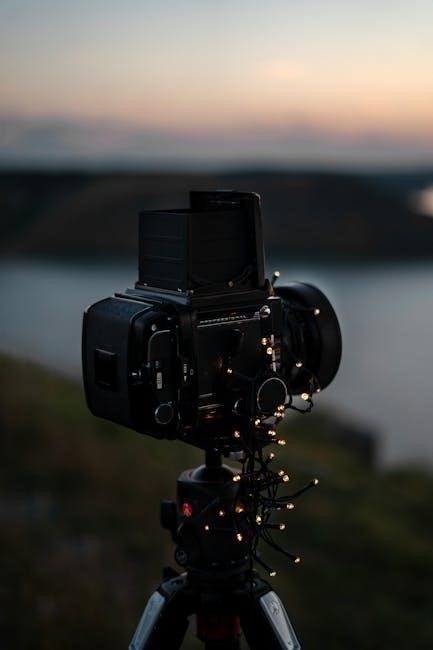
Overview of the Mamiya M645
The Mamiya M645 system represents a professional-grade medium format camera renowned for its build quality and exceptional image clarity․ Often accompanied by comprehensive service manuals – readily available online as PDF documents – the system caters to both film enthusiasts and professionals․ These manuals detail every aspect‚ from basic operation to intricate repairs․
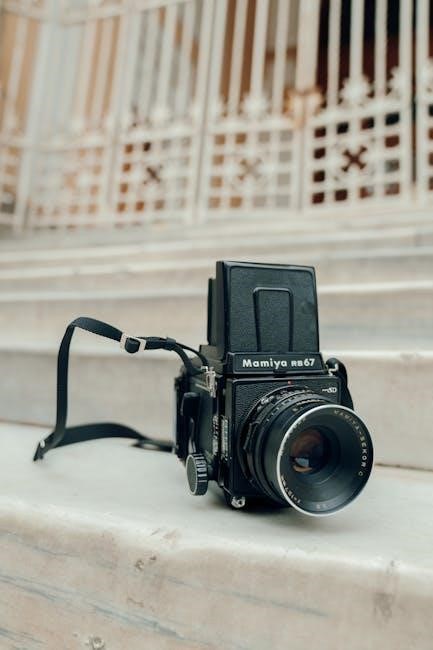
The core of the system is the modular camera body‚ accepting a variety of lenses via a bayonet mount․ The M645’s 1000S shutter provides a wide range of speeds (8 to 1/1000 sec‚ plus Bulb)․ Service documentation highlights the importance of careful handling‚ ensuring years of reliable performance․ Understanding the system requires referencing these detailed guides for optimal use and maintenance․
Historical Context and Significance
The Mamiya M645 emerged as a significant player in the medium format landscape‚ offering a compelling alternative to more established systems․ Released during a period of evolving photographic technology‚ it quickly gained recognition for its robust construction and image quality․ Detailed service manuals‚ now often digitized as PDFs‚ reflect the camera’s complexity and intended longevity․
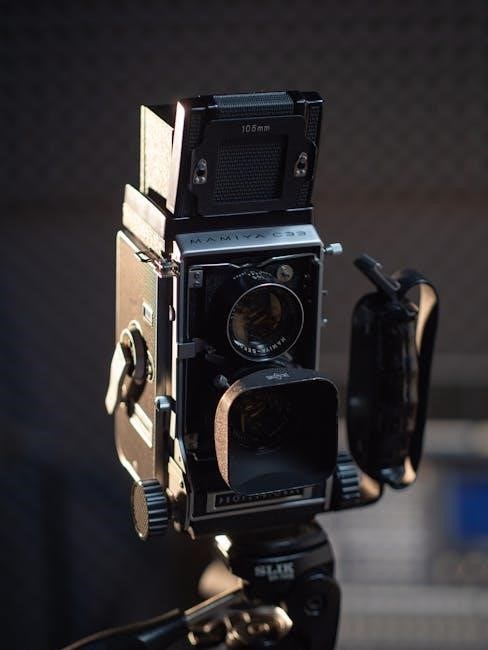
Its modular design – encompassing bodies‚ lenses‚ and film backs – allowed photographers considerable flexibility․ The availability of detailed repair manuals‚ like those focusing on prism finder issues‚ demonstrates Mamiya’s commitment to serviceability․ The M645’s impact lies in providing a professional-level medium format experience accessible to a wider range of photographers․

Key Features and Specifications
Mamiya M645 boasts a bayonet mount and a focal plane shutter (M645 1000S)‚ detailed in manuals‚ offering speeds from B to 1/1000 sec․
Camera Body Specifications
The Mamiya M645 camera body‚ as outlined in the comprehensive service manuals‚ is a modular medium format system renowned for its durability and precision․ These manuals detail the body’s construction and key specifications․ It utilizes a robust mechanical design‚ prioritizing reliability․ The M645 accepts various film backs‚ offering versatility in format selection․
Detailed diagrams within the manuals illustrate the internal components and their arrangement․ The body’s construction facilitates disassembly for repair and maintenance‚ as described in the PDF versions․ Specific attention is given to the shutter mechanism and film advance systems․ The manuals also cover general specifications‚ ensuring users understand the camera’s capabilities and limitations․
Lens Mount and Compatibility
The Mamiya M645 system employs a bayonet mount‚ a defining characteristic detailed within the service manuals․ These manuals thoroughly document the lens mount’s specifications and compatibility with a wide range of lenses․ The bayonet design ensures secure and precise lens attachment‚ crucial for image quality․
PDF versions of the manuals often include compatibility charts‚ listing compatible lenses and their specific features․ The system supports both Mamiya-Sekor and compatible third-party lenses․ Proper lens mounting and dismounting procedures are clearly illustrated‚ minimizing the risk of damage․ The manuals emphasize the importance of maintaining the mount’s cleanliness for optimal performance and avoiding potential issues detailed in repair sections․
Shutter Mechanism Details (M645 1000S)
The Mamiya M645 1000S features a focal plane shutter‚ offering speeds from B (bulb) to 1/1000th of a second‚ as outlined in the service manual․ These manuals provide detailed diagrams and explanations of the shutter’s intricate mechanics․ Understanding the shutter’s operation is vital for troubleshooting‚ as detailed in repair sections․
PDF versions of the manual illustrate the shutter curtain movement‚ tension adjustment‚ and synchronization with flash units․ The manuals also cover common shutter-related issues‚ like slow speeds or inconsistent operation‚ and offer step-by-step repair procedures․ Proper cleaning and lubrication‚ as described‚ are essential for maintaining shutter accuracy and preventing malfunctions․ Careful attention to these details ensures reliable performance․

Understanding the Mamiya M645 Components
Mamiya M645 systems‚ detailed in manuals‚ comprise bodies‚ lenses‚ prism finders‚ and film backs; PDF guides aid component identification and function․
Prism Finder Functionality and Types
The Mamiya M645 prism finder is crucial for composing images‚ offering a bright‚ accurate view of the scene․ Service manuals detail various types‚ including the standard Super AE finder and others with different focusing aids․ These finders utilize a pentaprism to correct image orientation․
Manuals illustrate how the prism finder connects to the camera body and its role in metering․ The Super AE finder‚ for example‚ incorporates aperture priority exposure․ Troubleshooting sections within the PDF manuals often address issues like a “short in P․D․ circuit‚” requiring careful repair․ Understanding the finder’s construction‚ as shown in diagrams‚ is vital for disassembly and maintenance․ Proper alignment is essential for accurate viewing and metering․
Backs: Film Types and Capacities
Mamiya M645 cameras accept various film backs‚ offering flexibility in format and capacity; Service manuals comprehensively list compatible backs‚ including those for 120 and 220 film․ These manuals detail how to install and remove backs correctly‚ ensuring a light-tight seal․
120 backs typically hold 15 exposures of 6×4․5cm format‚ while 220 film offers greater capacity․ The PDF manuals often include diagrams illustrating the film advance mechanism within the backs․ Troubleshooting sections address issues like incorrect film advance or light leaks․ Proper cleaning and lubrication‚ as outlined in the repair guides‚ are crucial for reliable operation of these components․
Metering System Explained
The Mamiya M645 metering system‚ detailed within the service manual‚ utilizes a center-weighted average metering pattern․ These manuals‚ often available as PDF downloads‚ explain how to interpret the viewfinder’s exposure indicators․ Understanding the system requires knowledge of its operational modes – spot‚ average‚ and center-weighted․
Troubleshooting sections within the repair guides address common malfunctions‚ such as inaccurate readings or a non-responsive meter․ Calibration procedures‚ outlined in the manual‚ are essential for maintaining accuracy․ The manuals also cover battery replacement and inspection of the light sensor‚ crucial for consistent and reliable exposure measurements․

Troubleshooting Common Issues
Mamiya M645 service manuals detail solutions for shutter and metering problems‚ including a “short in P․D․ Prism finder circuit” repair guide․
Shutter Problems and Solutions
Mamiya M645 shutter issues‚ particularly within the 1000S model‚ are frequently addressed in dedicated service manuals․ Common problems include inaccurate speeds or complete failure to fire․ The manuals emphasize careful disassembly‚ noting the intricate mechanics of the focal plane shutter․
Solutions often involve cleaning the shutter curtains and associated gears‚ ensuring proper lubrication with appropriate oils․ Electrical contacts should be inspected for corrosion and cleaned accordingly․ PDF versions of the manual provide detailed diagrams illustrating the shutter’s construction and adjustment points․ Troubleshooting guides within the manual highlight potential causes‚ like worn components or misaligned levers‚ offering step-by-step repair procedures․
Metering System Malfunctions
Mamiya M645 metering system failures are detailed within the comprehensive service manuals‚ often available as PDF downloads․ Common issues include inaccurate readings‚ erratic behavior‚ or a complete lack of response․ The manuals stress the importance of checking the battery and electrical connections first․
Troubleshooting guides outline procedures for testing the CdS photocell and associated circuitry․ Cleaning corroded contacts and verifying voltage levels are crucial steps․ The manual diagrams illustrate the metering system’s components and their interconnections․ Calibration procedures are also included‚ allowing for precise adjustment of the metering system to ensure accurate exposure measurements․ Repair often involves component replacement‚ guided by the parts catalog referenced in the manual․
Prism Finder Repair – Short in P․D․ Circuit
Mamiya M645 prism finder repairs‚ specifically addressing a short in the P․D․ (photodiode) circuit‚ are thoroughly documented in the service manual․ This issue often manifests as dim or inaccurate metering․ The manual details disassembly procedures to access the prism assembly and its internal wiring․
Troubleshooting involves isolating the short circuit using a multimeter‚ carefully tracing the connections within the prism finder․ Common causes include damaged wiring or a faulty photodiode․ Replacement parts are identified in the manual’s parts catalog․ Diagrams illustrate the P․D․ circuit’s layout‚ aiding in pinpointing the fault․ Successful repair requires meticulous soldering and reassembly‚ following the manual’s precise instructions to restore accurate metering functionality․

Mamiya M645 Repair and Maintenance
Mamiya M645 repair‚ guided by the service manual‚ involves careful disassembly‚ cleaning‚ lubrication‚ and parts sourcing for optimal performance and longevity․
Disassembly Procedures
Disassembly of the Mamiya M645‚ as detailed in the service manual‚ requires a systematic approach․ Begin by removing the back‚ then carefully detach the prism finder‚ noting the position of screws and components․ The top cover allows access to the shutter and metering systems․
Proceed with caution when handling the focal plane shutter‚ as it’s a complex mechanism․ The manual emphasizes documenting each step with photographs to aid reassembly․ Pay close attention to ribbon cables and delicate wiring․ Proper tools are essential to avoid damaging screws or internal parts․ The manual provides diagrams illustrating the sequence and location of each component‚ ensuring a smooth and accurate disassembly process․
Cleaning and Lubrication
Cleaning the Mamiya M645‚ guided by the service manual‚ involves gentle methods․ Use a soft brush and appropriate solvents to remove dust and debris from internal components․ Avoid harsh chemicals that could damage delicate parts․ The shutter mechanism requires specific lubrication points‚ detailed in the manual‚ using a light machine oil․
Carefully clean electrical contacts with contact cleaner to ensure proper functionality․ Lubricate gears and moving parts sparingly to maintain smooth operation․ The manual stresses avoiding over-lubrication‚ which can attract dust․ Regularly cleaning and lubricating the M645‚ as per the manual’s instructions‚ is crucial for long-term reliability and performance․
Parts Catalog and Sourcing
The Mamiya M645 parts catalog‚ often available as a PDF alongside the service manual‚ is essential for repairs․ It details every component‚ with part numbers crucial for accurate ordering․ Sourcing parts can be challenging‚ as original Mamiya components are becoming scarce․
Online auction sites and specialized camera repair shops are primary sources․ Be cautious of counterfeit or used parts; verify compatibility using the manual’s diagrams․ Some parts may require adaptation from similar Mamiya models․ The manual doesn’t directly list suppliers‚ but forums and repair communities offer valuable sourcing information․ Patience and diligent research are key to finding the necessary parts for your M645․

Service Manual Resources
Mamiya M645 service manuals‚ frequently in PDF format‚ provide detailed diagrams and procedures for repair‚ including pages 2‚ 6‚ 14‚ 80‚ and 82․
Locating the Mamiya M645 Service Manual (PDF)
Finding a Mamiya M645 service manual in PDF format often involves online searches․ Numerous websites archive these valuable resources‚ offering downloadable manuals for various Mamiya models․ Be aware that some sites may require registration or offer the manuals for a fee․
Common search terms include “Mamiya M645 service manual PDF” or “Mamiya M645 repair manual”․ Resources frequently mentioned include online camera repair forums and dedicated vintage camera websites․ The availability of complete manuals can vary; some may be missing pages‚ as noted with pages 2‚ 6‚ 14‚ 80‚ and 82 being blank in certain versions․ Always verify the manual’s completeness before relying on it for complex repairs․
Understanding Service Manual Diagrams
Mamiya M645 service manuals utilize detailed diagrams crucial for successful repair․ These schematics illustrate component placement‚ wiring connections‚ and exploded views of the camera’s internal mechanisms․ Familiarity with technical drawing conventions is beneficial when interpreting these diagrams․
Pay close attention to part numbers referenced alongside diagram elements‚ cross-referencing them with the parts catalog for identification․ Diagrams often depict disassembly sequences‚ guiding technicians through the repair process step-by-step․ Understanding the electrical circuit diagrams is vital for addressing issues like the prism finder’s P․D․ circuit short․ Careful study of these visuals is essential for accurate diagnosis and repair․
Specific Page References (e․g․‚ Pages 2‚ 6‚ 14‚ 80‚ 82)
Mamiya M645 service manuals contain specific information distributed throughout their pages․ Notably‚ pages 2‚ 6‚ 14‚ 80‚ and 82 are often noted as being blank within available PDF versions․ Page 2 typically outlines the contents of the manual‚ providing a roadmap for repair procedures․
Further exploration reveals that diagrams and detailed component lists are spread across various pages; Troubleshooting guides for common issues‚ like shutter malfunctions‚ are also located within the manual․ Referencing these specific pages streamlines the repair process‚ allowing technicians to quickly locate relevant information for efficient M645 maintenance and restoration․
Advanced Repair Techniques
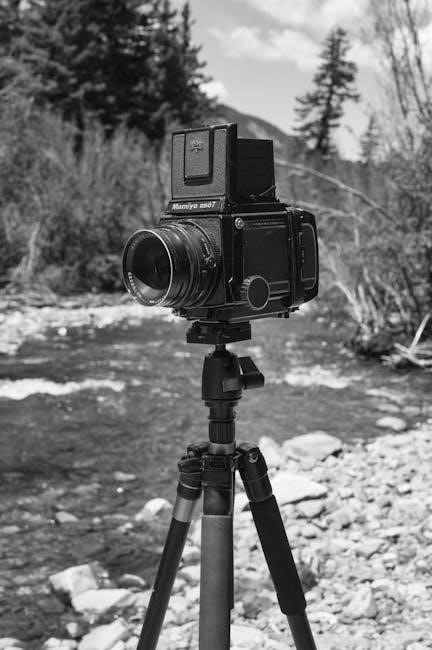
Mamiya M645 repair manuals detail focal plane shutter repair‚ electrical circuit troubleshooting‚ and precise calibration procedures for optimal camera performance․
Repairing the Focal Plane Shutter
Mamiya M645 shutter repair‚ as outlined in the service manual‚ demands meticulous attention to detail․ Disassembly requires careful labeling of components to ensure correct reassembly․ Common issues involve sticky or torn shutter curtains‚ often necessitating replacement․ The manual provides diagrams illustrating the precise placement of each part within the complex mechanism․
Cleaning the shutter assembly with appropriate solvents is crucial‚ removing any dust or debris that could impede its function․ Lubrication‚ using specified greases‚ minimizes friction and ensures smooth operation․ Addressing short circuits within the shutter’s electrical components‚ detailed on page 13 of some manuals‚ is also vital for restoring functionality․ Calibration is the final step‚ guaranteeing accurate exposure times․
Addressing Electrical Circuit Issues
Mamiya M645 electrical faults‚ detailed within the service manual‚ often stem from corrosion or damaged wiring․ The manual emphasizes careful voltage checks using a multimeter to pinpoint problematic circuits․ A frequent issue involves shorts in the prism finder’s P․D; circuit‚ requiring isolation and repair – often referenced on page 12․
Component-level repair‚ involving soldering and desoldering‚ is frequently necessary․ Identifying and replacing faulty resistors‚ capacitors‚ or integrated circuits restores functionality․ Thorough cleaning of circuit boards with isopropyl alcohol removes contaminants․ Always consult the manual’s schematics for correct wiring diagrams and component values․ Proper grounding is essential to prevent further electrical issues and ensure safe operation․
Calibration and Adjustment Procedures
The Mamiya M645 service manual outlines precise calibration steps crucial for accurate operation․ Shutter speed calibration‚ using a strobe light and dedicated testing equipment‚ ensures correct exposure․ Metering system adjustments‚ detailed within the manual‚ involve verifying accuracy against a known light source․ Focus calibration requires specialized targets and careful alignment of the focusing screen․
Proper film advance calibration guarantees accurate film transport․ These procedures demand patience and adherence to the manual’s specifications․ Incorrect adjustments can lead to exposure errors or mechanical malfunctions․ Regular calibration‚ as recommended by Mamiya‚ maintains optimal performance and extends the camera’s lifespan․ Always document adjustments made for future reference․