Nursing escape rooms are gaining traction as a dynamic teaching tool‚ blending immersive gameplay with crucial clinical skill development‚ often available as PDF resources.
These scenarios offer a unique‚ engaging way for students to apply theoretical knowledge to realistic‚ time-sensitive situations‚ enhancing problem-solving abilities.
Educational escape rooms represent an innovative pedagogical approach‚ integrating game-based learning with real-world challenges‚ frequently documented in downloadable PDF guides.
What are Nursing Escape Rooms?
Nursing escape rooms are immersive‚ interactive learning experiences designed to simulate real-world clinical scenarios. Unlike traditional lectures or simulations‚ these rooms challenge students to apply their knowledge and skills to solve puzzles and “escape” within a time limit.
Typically‚ a team of nursing students is placed in a realistically themed environment – perhaps an operating room‚ patient room‚ or medication station – and presented with a clinical problem. They must collaborate‚ critically think‚ and utilize their nursing expertise to decipher clues‚ administer appropriate interventions‚ and ultimately‚ achieve a successful outcome.
Many educators are utilizing pre-designed PDF-based scenarios to facilitate these experiences‚ offering detailed instructions‚ prop lists‚ and learning objectives. These PDF resources often include patient charts‚ medication orders‚ and other relevant documentation‚ mirroring the information nurses encounter in practice. The goal isn’t simply to “escape‚” but to reinforce critical thinking‚ teamwork‚ and clinical decision-making skills in a safe‚ controlled environment.
Benefits of Using Escape Rooms in Nursing Education
Nursing escape rooms offer a multitude of pedagogical benefits beyond traditional learning methods. They actively engage students‚ fostering a more immersive and memorable learning experience‚ often facilitated through readily available PDF scenario guides.
These scenarios promote critical thinking‚ problem-solving‚ and clinical decision-making skills under pressure – essential qualities for safe and effective nursing practice. Teamwork and communication are also significantly enhanced as students collaborate to decipher clues and implement interventions.
The use of PDF resources allows for standardized scenarios‚ ensuring consistent learning experiences for all students. Furthermore‚ escape rooms provide a safe space to practice skills and make mistakes without real-world consequences. This encourages risk-taking and experimentation‚ ultimately building confidence. Educators find that these interactive experiences improve knowledge retention and application‚ preparing students for the complexities of the clinical environment.

Common Themes in Nursing Escape Room Scenarios
Nursing escape room scenarios‚ often found as PDF downloads‚ frequently center around medical emergencies‚ medication errors‚ and vital patient safety/infection control protocols.
Medical Emergency Scenarios
Medical emergency scenarios are a cornerstone of many nursing escape room experiences‚ frequently distributed as detailed PDF guides for educators. These simulations thrust students into high-pressure situations demanding rapid assessment and intervention skills.
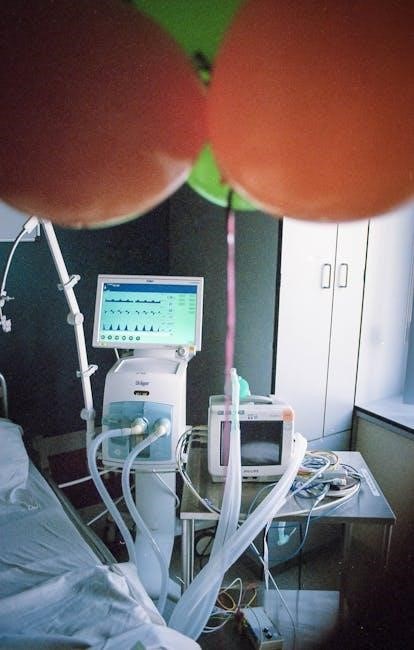
A common theme involves a sudden deterioration in a patient’s condition – think “Code Blue” events‚ like a surgical emergency where alarms sound unexpectedly‚ requiring immediate action. Another popular scenario‚ often available as a PDF resource‚ focuses on respiratory distress‚ challenging students to quickly evaluate a struggling patient‚ taking vitals and determining the appropriate course of treatment.
These scenarios emphasize critical thinking‚ prioritization‚ and teamwork. The PDF materials typically include patient histories‚ vital sign trends‚ lab results‚ and a series of clues that students must decipher to diagnose the problem and implement life-saving measures. Successfully navigating these challenges reinforces essential clinical competencies in a safe‚ controlled environment.
Medication Administration Errors
Medication administration errors represent a critical learning area within nursing escape rooms‚ often detailed in comprehensive PDF scenario outlines. These simulations aim to highlight the importance of the “five rights” of medication administration and the potential consequences of errors.
A typical scenario might present students with a situation involving a “wrong dosage‚ wrong patient” scenario‚ requiring them to identify the mistake before harm occurs. PDF resources accompanying these simulations often include realistic medication labels‚ order sheets with ambiguous handwriting‚ and distractions mimicking a busy clinical environment.
The goal isn’t to punish students for errors‚ but to create a safe space to learn from them. These PDF-based exercises emphasize the importance of double-checking‚ verifying orders‚ and communicating effectively with the healthcare team. Successfully completing these scenarios reinforces safe medication practices and promotes a culture of vigilance.
Patient Safety and Infection Control
Patient safety and infection control are paramount in healthcare‚ and nursing escape rooms provide an immersive platform to reinforce these principles‚ frequently supported by detailed PDF scenario guides. These simulations challenge students to identify and mitigate potential hazards within a clinical setting.
A scenario might involve a patient exhibiting signs of infection‚ requiring students to implement appropriate isolation precautions and trace the source of contamination. PDF resources often include checklists for proper hand hygiene‚ PPE donning/doffing procedures‚ and environmental cleaning protocols.
These exercises emphasize the importance of adhering to evidence-based practices to prevent healthcare-associated infections and ensure a safe environment for both patients and staff. The PDF materials often present realistic patient charts and lab results‚ demanding critical thinking and rapid decision-making skills.

Designing Effective Nursing Escape Room Scenarios
Effective scenarios require careful planning‚ aligning complexity with learning objectives‚ and utilizing realistic props – often detailed in PDF guides – for immersive experiences.
Scenario Complexity and Learning Objectives
Careful consideration of scenario complexity is paramount when designing nursing escape rooms. Learning objectives should directly inform the challenges presented‚ ensuring students actively apply relevant knowledge. A beginner scenario‚ perhaps detailed in a readily available PDF resource‚ might focus on basic medication calculations or vital sign interpretation.
Conversely‚ advanced scenarios‚ potentially found within more comprehensive PDF packages‚ could simulate complex medical emergencies requiring rapid assessment‚ prioritization‚ and collaborative teamwork. The difficulty should escalate gradually‚ building upon previously mastered skills.
Each puzzle or task within the escape room must directly contribute to achieving the stated learning objectives. Avoid extraneous elements that distract from the core educational goals. Well-designed PDF scenario guides often include a clear mapping of each challenge to specific learning outcomes‚ facilitating effective implementation and assessment.
Creating Realistic Props and Environments
Immersion is key to a successful nursing escape room. Realistic props and environments significantly enhance the learning experience‚ fostering a sense of urgency and authenticity. While elaborate setups aren’t always necessary‚ attention to detail matters. Many PDF scenario resources offer prop lists and environmental suggestions.
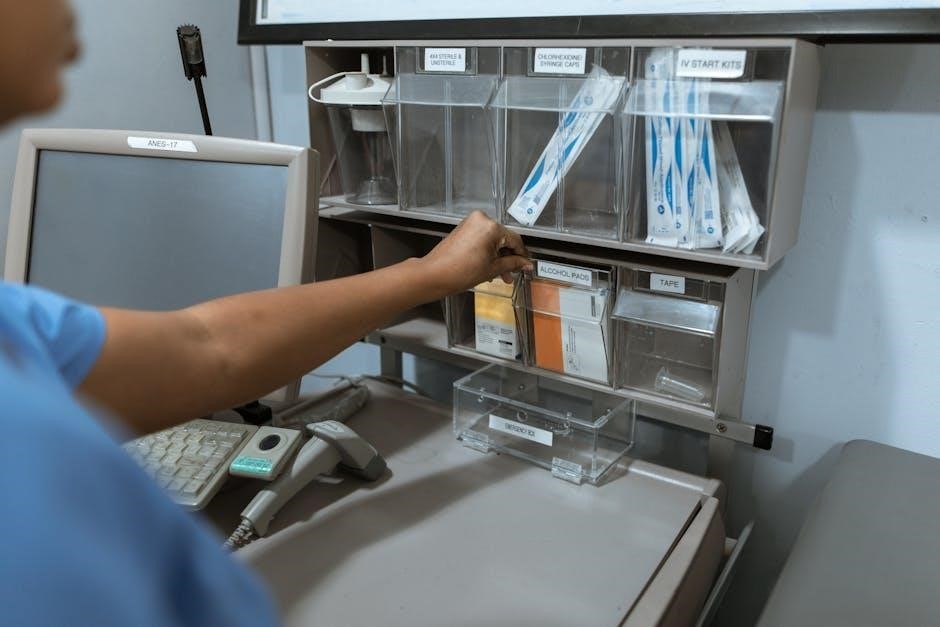
Utilize readily available medical equipment – IV bags‚ bandages‚ stethoscopes – to create a believable clinical setting. Consider incorporating patient charts‚ medication labels‚ and lab results‚ often provided as templates within PDF guides. Sound effects‚ such as heart monitors or alarms‚ can further heighten the realism.
The environment should mirror the scenario’s context – an operating room‚ emergency department‚ or patient bedside. Remember‚ the goal is to simulate a real-world clinical situation as closely as possible‚ maximizing engagement and knowledge retention‚ as detailed in comprehensive PDF materials;
Integrating Technology into the Escape Room
Technology can elevate nursing escape room scenarios‚ adding layers of complexity and realism. Electronic medical records (EMRs)‚ simulated vital signs monitors‚ and interactive medication dispensing systems enhance the immersive experience. Many PDF scenario designs now incorporate technological elements.
Consider using tablets or computers for accessing patient data‚ ordering tests‚ or documenting interventions. QR codes can link to additional information or trigger events within the scenario‚ often outlined in PDF instructions. Online platforms can manage time‚ provide clues‚ and track student progress.
However‚ technology should complement‚ not overshadow‚ the core learning objectives. Ensure it’s reliable and user-friendly. Detailed setup guides and troubleshooting tips are frequently included in PDF resources to facilitate seamless integration and maximize the educational impact.
Specific Scenario Examples & PDF Resources
Detailed scenarios‚ like “Code Blue in the OR” or medication error simulations‚ are readily available as downloadable PDF resources for practical application.
These PDF guides provide comprehensive instructions‚ prop lists‚ and learning objectives for immersive nursing education experiences.
Surgical Emergency Scenario ⎻ “Code Blue in the OR”
Scenario Overview: This high-stakes escape room plunges students into a chaotic operating room environment where a patient unexpectedly experiences cardiac arrest during a routine procedure. The team must rapidly assess the situation‚ identify the cause – potentially anesthetic complications or a hidden surgical bleed – and initiate appropriate Advanced Cardiac Life Support (ACLS) protocols.
Key Challenges: Students will decipher vital sign trends‚ interpret ECG readings‚ locate emergency equipment (including defibrillators and emergency medications)‚ and communicate effectively under immense pressure. A crucial element involves correctly calculating and administering emergency drug dosages‚ referencing readily available PDF charts provided within the scenario.
PDF Resource Integration: A downloadable PDF package accompanies this scenario‚ containing patient history‚ pre-operative lab results‚ a detailed OR setup diagram‚ and ACLS algorithm checklists. The PDF also includes a “red herring” – misleading information designed to test critical thinking skills. Successful completion requires swift‚ coordinated action and a thorough understanding of surgical emergency protocols‚ all guided by the PDF materials.
Respiratory Distress Scenario ⎻ “The Struggling Patient”
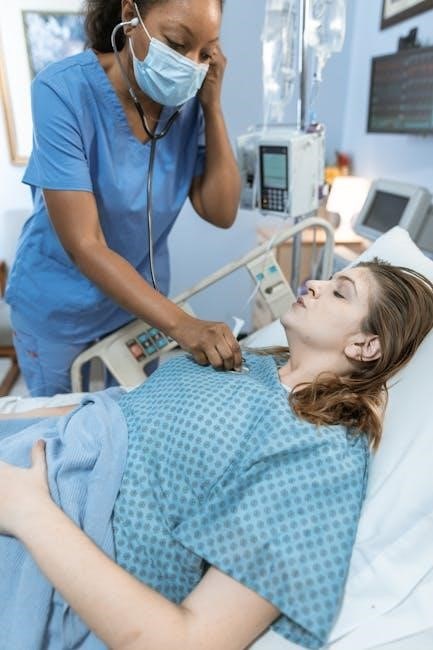
Scenario Overview: Students are confronted with a patient exhibiting acute respiratory distress – a man struggling to breathe in a hospital bed. The team must quickly assess the patient’s condition‚ differentiating between potential causes like asthma exacerbation‚ pulmonary embolism‚ or anaphylaxis. Rapid intervention is critical to prevent impending respiratory failure.
Key Challenges: Participants will practice auscultation skills‚ analyze arterial blood gas (ABG) results‚ administer oxygen therapy‚ and prepare for potential intubation. A vital component involves correctly interpreting peak flow meter readings and adjusting medication dosages based on patient response. A detailed PDF guide provides ABG interpretation assistance.
PDF Resource Integration: A comprehensive PDF resource accompanies this scenario‚ including the patient’s medical history‚ medication list‚ and a step-by-step guide to respiratory assessment. The PDF also contains a decision tree for managing respiratory emergencies and a checklist for intubation preparation. Utilizing the PDF effectively is key to unlocking the solution and stabilizing the patient.
Medication Error Scenario ⎻ “Wrong Dosage‚ Wrong Patient”
Scenario Overview: This high-stakes scenario plunges students into a critical situation: a potential medication error involving incorrect dosage and patient misidentification. Teams must meticulously review medication administration records (MARs)‚ identify discrepancies‚ and implement corrective actions before harm occurs. The pressure mounts as the patient’s condition begins to deteriorate.
Key Challenges: Participants will practice the “five rights” of medication administration‚ utilize drug reference materials‚ and understand the reporting procedures for medication errors. They’ll need to decipher ambiguous handwriting on prescriptions and collaborate effectively to prevent further complications. A detailed PDF resource outlines common medication errors.
PDF Resource Integration: A crucial PDF document provides access to the patient’s chart‚ medication orders‚ and a list of frequently confused drug names. The PDF also includes a medication error reporting form and a guide to calculating correct dosages. Successful completion hinges on thorough PDF analysis and swift‚ decisive action.

Resources for Finding Pre-Made Scenarios (PDFs)
Numerous online platforms and professional organizations offer ready-to-use nursing escape room scenarios‚ frequently available as downloadable PDF documents for easy implementation.
Nursing Education Websites & Online Forums
Several dedicated nursing education websites serve as valuable repositories for pre-made escape room scenarios‚ often provided in convenient PDF format. These resources frequently include detailed instructions‚ prop lists‚ and answer keys‚ streamlining the implementation process for educators.
Online nursing forums and communities‚ such as those found on platforms like Nurse.org or AllNurses‚ are excellent places to connect with colleagues and share resources. Educators often post their self-created scenarios as PDF files‚ fostering a collaborative learning environment.
Websites specializing in healthcare simulation‚ like the National League for Nursing (NLN)‚ may also feature or link to escape room resources. A targeted search using keywords like “nursing escape room PDF” can yield a wealth of options. Remember to carefully review any downloaded materials to ensure they align with your specific learning objectives and institutional guidelines.
Exploring these digital spaces can save significant time and effort in scenario development‚ allowing educators to focus on facilitating engaging and effective learning experiences.
Professional Nursing Organizations
Leading professional nursing organizations‚ such as the American Nurses Association (ANA) and the National Student Nurses’ Association (NSNA)‚ are increasingly recognizing the value of innovative teaching methods like escape rooms. While they may not directly host downloadable PDF scenarios‚ they often provide links to relevant resources or showcase member-created materials.
Specialty nursing organizations‚ focusing on areas like critical care or emergency nursing‚ frequently develop and share specialized escape room scenarios tailored to their respective fields‚ sometimes available as PDF documents for members.

Attending conferences and workshops hosted by these organizations can provide opportunities to learn about existing escape room designs and potentially access PDF versions of scenarios presented by fellow educators. Networking with peers is also a valuable way to discover hidden resources.
Checking the organization’s online publications and member resource libraries is recommended‚ as they may feature articles or case studies detailing the implementation of escape rooms‚ potentially including scenario outlines or PDF templates.
University Nursing School Resources
Many university nursing schools are at the forefront of developing and implementing escape room scenarios as part of their curriculum. Often‚ these institutions are willing to share their creations with other educators‚ sometimes in the form of downloadable PDF resources.
Searching the websites of nursing schools known for innovative teaching practices can reveal publicly available scenario outlines‚ debriefing guides‚ or even complete escape room packages in PDF format. Look for teaching and learning centers or simulation labs.
Contacting nursing faculty directly at different universities can be a fruitful approach. Many are happy to collaborate and share their materials‚ including PDF versions of their escape room scenarios‚ fostering a community of practice.
University libraries may also house digital repositories containing faculty-created educational materials‚ potentially including escape room scenarios saved as PDF files. Explore their online databases and digital collections.
Implementing and Evaluating Escape Room Effectiveness
Post-scenario debriefing‚ often guided by PDF resources‚ is crucial for reinforcing learning and analyzing performance within the immersive nursing escape room experience.
Assessing learning outcomes and adapting scenarios based on feedback ensures continuous improvement and maximizes the educational impact of these PDF-based simulations.
Debriefing and Post-Scenario Discussion
Debriefing is arguably the most vital component following a nursing escape room‚ transforming the experience from a game into a powerful learning opportunity. Facilitators should guide a structured discussion‚ encouraging students to articulate their thought processes‚ decisions made under pressure‚ and any challenges encountered during the scenario.
Utilizing a PDF-based debriefing guide can ensure all critical areas are covered‚ such as teamwork dynamics‚ communication effectiveness‚ and clinical reasoning skills. Questions should prompt reflection on what went well‚ what could be improved‚ and how the experience relates to real-world clinical practice.
Focus should be placed on a non-judgmental environment where students feel safe to share mistakes and learn from them. Reviewing the scenario’s intended learning objectives‚ often outlined in accompanying PDF materials‚ helps solidify understanding and identify knowledge gaps. This post-scenario analysis is key to translating the immersive experience into lasting competence.
Assessing Learning Outcomes
Evaluating the effectiveness of nursing escape rooms requires a multifaceted approach beyond simply completing the scenario. While observation during the activity provides valuable qualitative data‚ incorporating formal assessment methods is crucial. Pre- and post-tests‚ aligned with the scenario’s learning objectives – often detailed in accompanying PDF documentation – can measure knowledge gain.
Checklists focusing on specific skills demonstrated during the escape room‚ such as medication calculation or assessment techniques‚ offer a standardized evaluation. Many PDF resource packages include pre-designed assessment tools.
Self-reflection assignments‚ where students analyze their performance and identify areas for improvement‚ promote metacognitive skills. Analyzing team performance metrics‚ like time to completion and number of hints requested‚ can also provide insights. Ultimately‚ assessment should demonstrate the translation of theoretical knowledge into practical application‚ validating the escape room’s pedagogical value.

Adapting Scenarios Based on Feedback
Continuous improvement is vital for maximizing the impact of nursing escape rooms. Gathering feedback from both students and instructors after each session is paramount. This can be achieved through surveys‚ focus groups‚ or informal debriefing sessions. Analyzing this feedback reveals areas where the scenario’s difficulty‚ realism‚ or clarity need adjustment.
Common issues might include overly complex puzzles‚ unrealistic props‚ or ambiguous clues – all elements that can be refined. Many PDF scenario resources are designed to be modular‚ allowing for easy modification of puzzles or storylines.
Consider student suggestions for incorporating new technologies or addressing emerging clinical challenges. Regularly updating scenarios ensures they remain relevant and engaging‚ maintaining their effectiveness as a learning tool. Documenting these changes alongside the original PDF scenario creates a valuable iterative design process.