A tour guide CV is often the crucial first step towards securing studio employment‚ particularly within operations‚ despite internal hiring practices and limited crossover opportunities․
Why Tour Guiding Experience is Relevant
Tour guiding isn’t merely about reciting facts; it’s a foot in the door․ Many studio jobs are filled before postings‚ creating an illusion of fairness‚ but a tour guide position provides invaluable “insider” status․ It demonstrates commitment and familiarity with the studio environment – a significant advantage․
Even if scripted roles remain elusive‚ tour guiding frequently leads to studio operations positions․ The experience showcases reliability and the ability to navigate a complex system․ While a direct path to production is rare‚ it builds a network and proves you’re willing to start from the ground up․ It’s a proven‚ albeit challenging‚ entry point‚ especially when direct applications often face pre-determined outcomes․
The Transferable Skills Advantage
Tour guiding cultivates a remarkable skillset applicable far beyond the tour route․ Exceptional communication‚ honed through engaging diverse audiences‚ is paramount․ Interpersonal skills flourish from constant interaction and adapting to individual needs․ Problem-solving becomes second nature when handling unexpected situations and guest inquiries․
These abilities translate seamlessly into corporate roles like HR or accounting‚ offering a potential‚ though uncommon‚ pathway․ Even if a production crossover proves difficult – often blocked by internal preferences – these transferable skills are highly valued; Demonstrating initiative and a proactive approach‚ learned from navigating the studio‚ further strengthens your candidacy‚ despite the inherent challenges of breaking into the industry․
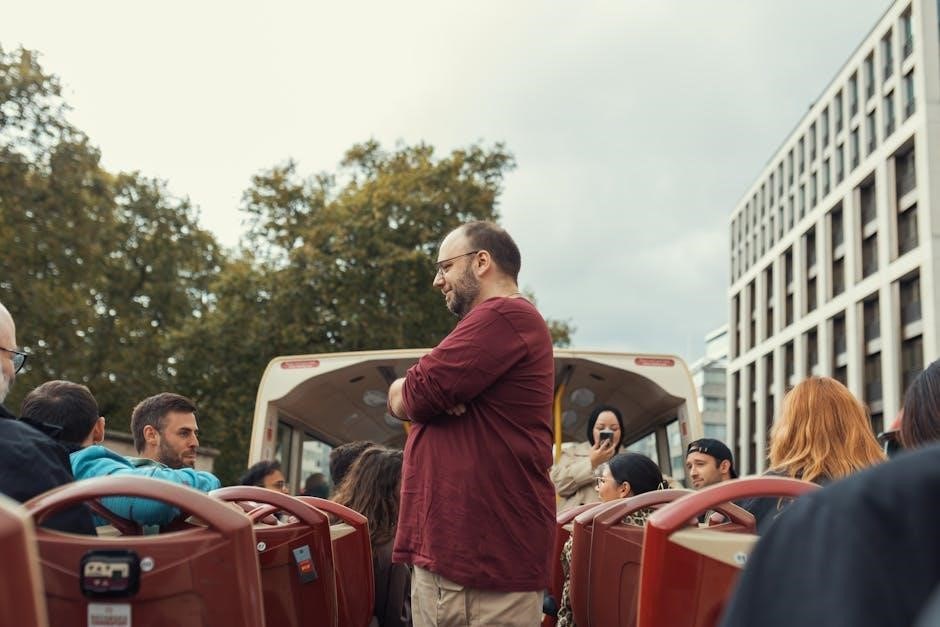
Core Skills to Highlight on Your CV
Emphasize communication‚ customer service‚ and adaptability; these skills‚ developed through tour guiding‚ are valuable assets for studio operations and corporate positions alike․
Communication & Interpersonal Skills
Tour guiding inherently demands exceptional communication skills․ Your CV should showcase your ability to convey information clearly and engagingly to diverse groups‚ adapting your style to different audiences – a skill transferable to any studio role․
Highlight experience in public speaking‚ storytelling‚ and active listening․ Emphasize your capacity to build rapport quickly‚ handle questions effectively‚ and manage group dynamics․
The ability to interact professionally with individuals at all levels‚ including potentially studio executives (as illustrated by the lunch with the studio president)‚ is a significant asset․ Demonstrate your comfort in navigating sensitive situations and maintaining a positive demeanor‚ even when facing challenging interactions․ These interpersonal skills are invaluable‚ even if direct crossover to scripted roles proves difficult․
Customer Service Excellence
Exceptional customer service is paramount in tour guiding‚ and your CV must reflect this․ Studios‚ even in operations‚ require individuals who can represent the brand positively and handle inquiries with grace․
Detail experiences resolving customer issues‚ exceeding expectations‚ and maintaining a professional attitude under pressure․ Mention any instances where you proactively addressed concerns or went above and beyond to ensure visitor satisfaction․
The competitive studio environment‚ where many are willing to accept lower pay for a position‚ necessitates a standout service record․ Highlight your ability to create memorable experiences‚ demonstrating a commitment to positive interactions – a skill valued even when internal candidates often have an advantage․
Problem-Solving & Adaptability
Tour guiding inherently demands quick thinking and adaptability; showcase these skills prominently on your CV․ Unexpected situations – from schedule changes to guest needs – are commonplace․ Detail instances where you successfully navigated challenges‚ demonstrating resourcefulness and composure․
Studios‚ particularly in operations‚ value employees who can handle unforeseen issues efficiently․ Highlight your ability to remain calm under pressure‚ find creative solutions‚ and adjust to changing circumstances․
Given the often-nepotistic hiring practices‚ proving your self-sufficiency is crucial․ Emphasize your proactive approach to problem-solving‚ illustrating your capacity to thrive even when facing obstacles – a valuable asset in a competitive environment․

CV Structure for Tour Guides
Prioritize a clear‚ concise CV with contact details‚ a professional summary‚ and a detailed experience section emphasizing tour guiding roles and transferable skills․
Contact Information & Professional Summary
Begin with readily visible contact information: full name‚ phone number‚ email address‚ and optionally‚ a professional social media link (like LinkedIn)․ Ensure your email address is professional – avoid nicknames! Following this‚ craft a compelling professional summary․
This section‚ typically 3-4 sentences‚ should highlight your key strengths as a tour guide and subtly hint at your ambition for studio work․ Emphasize customer service‚ communication‚ and adaptability․
For example: “Enthusiastic and knowledgeable tour guide with [number] years of experience delivering engaging and informative tours․ Proven ability to manage groups‚ resolve issues‚ and provide exceptional customer experiences․ Seeking a challenging role within studio operations leveraging strong interpersonal and organizational skills․”
Remember‚ this is your first impression – make it count!
Experience Section: Detailing Tour Guide Roles
This is the core of your CV․ Don’t simply list “Tour Guide” – detail each role chronologically‚ starting with the most recent․ For each position‚ include the studio name (if applicable)‚ dates of employment‚ and a bulleted list of responsibilities and achievements․
Focus on transferable skills․ Did you manage large groups? Highlight leadership․ Resolve guest complaints? Showcase problem-solving․ Provide historical or studio-specific information? Demonstrate knowledge and communication skills․

Quantify your experience whenever possible (see the next section!)․ Even mentioning the types of tours given (e․g․‚ VIP‚ general admission) adds value․ Frame your experience to subtly suggest suitability for studio operations roles‚ emphasizing reliability and a proactive approach․

Quantifying Your Achievements
Numbers speak volumes! Showcase the scale of your work with metrics like tours conducted‚ positive feedback scores‚ and any recognition received for exceptional service․
Number of Tours Conducted
Clearly state the total number of tours you’ve led․ Don’t just say “many”; provide a concrete figure – for example‚ “Conducted over 300 studio tours” demonstrates significant experience; Break it down further if possible: “150 walking tours‚ 75 VIP tours‚ and 50 specialized behind-the-scenes experiences․”
Highlight any consistent volume․ Mentioning a consistent weekly or monthly average (e․g․‚ “Averaged 10 tours per week for two years”) shows reliability and stamina․ This is particularly important given the physical demands of the role․
If you handled different tour types‚ specify the number of each․ This showcases versatility and adaptability․ Quantifying your experience provides tangible evidence of your capabilities to potential employers‚ even those outside traditional tour guiding․
Positive Customer Feedback & Ratings
Showcase exceptional customer service through quantifiable results․ Instead of simply stating “received positive feedback‚” detail specific achievements․ For example‚ “Maintained a 4․8/5 star rating on post-tour surveys with over 200 responses․”
Include excerpts from positive reviews‚ focusing on skills relevant to studio operations or corporate roles – communication‚ problem-solving‚ and adaptability․ “Guests consistently praised my ability to handle unexpected situations and maintain a positive atmosphere․”
Mention any awards or recognition received for outstanding customer service․ This adds credibility and demonstrates a commitment to exceeding expectations․ Positive feedback validates your skills and builds trust with potential employers․

Tailoring Your CV to Specific Roles
Adapt your CV to emphasize transferable skills for studio operations or corporate positions (HR‚ accounting)‚ acknowledging that scripted roles are difficult to attain․
Targeting Studio Operations Positions
When aiming for studio operations roles‚ your tour guide experience becomes incredibly valuable․ Highlight your ability to navigate the studio environment‚ manage logistics‚ and handle diverse situations efficiently․ Emphasize familiarity with studio protocols and a proactive approach to problem-solving – skills directly transferable to operational support․
Detail experiences involving crowd control‚ tour scheduling‚ and maintaining a smooth visitor flow․ These demonstrate organizational capabilities essential for studio operations․ Frame your customer service skills as experience in managing guest expectations and ensuring a positive studio experience․
Remember‚ breaking into production directly is rare; operations offers a more realistic entry point․ Focus on showcasing reliability‚ adaptability‚ and a willingness to learn – qualities highly sought after in these roles․ Acknowledge the competitive landscape‚ but position yourself as a dedicated and capable candidate․
Highlighting Relevant Skills for Corporate Roles (HR‚ Accounting)
Securing corporate positions like HR or Accounting is challenging‚ but not impossible․ Leverage transferable skills from your tour guiding background․ Emphasize meticulous record-keeping from tour bookings and attendance‚ showcasing organizational abilities relevant to accounting․ Detail any financial handling experience‚ even small transactions‚ to demonstrate responsibility․
Highlight your communication skills as experience in conflict resolution and addressing diverse inquiries – valuable in HR․ Frame your ability to adapt to changing schedules and handle unexpected issues as demonstrating flexibility and problem-solving‚ crucial for both departments․
Acknowledge the rarity of direct entry‚ but position yourself as a motivated learner eager to apply your existing skills to a corporate environment․ Networking is key; connect with individuals in these departments to understand their needs․

Addressing the “Insider” Challenge
Navigating studio access requires proactive networking and demonstrating initiative‚ as positions are often filled internally before public posting‚ creating a significant hurdle․
Networking & Building Connections
Cultivating relationships is paramount when attempting to transition from a tour guide role into a studio position․ The industry heavily relies on knowing individuals already within the system‚ as many jobs are pre-allocated before being advertised․ Leverage your tour guide position to initiate conversations and build rapport with studio personnel – even a casual lunch with a president can open doors‚ or at least provide valuable insight․
Actively seek opportunities to connect with people in Human Resources; they can offer candid feedback about internal hiring practices․ Understand that persistence is key‚ but also be prepared for potential disappointment․ The studio environment often prioritizes internal candidates‚ making external entry exceptionally challenging‚ even with existing “insider” status․ Focus on genuine connections‚ not just transactional networking․
Demonstrating Initiative & Proactive Approach
Given the prevalence of internal hiring‚ simply possessing a tour guide role isn’t enough; proactively showcasing initiative is vital․ Pitch ideas‚ even if they aren’t immediately adopted – the studio president’s feedback‚ while discouraging‚ demonstrates a willingness to engage․ Highlight instances where you went above and beyond your tour guide duties‚ seeking opportunities to learn about studio operations․
Don’t passively wait for opportunities; actively seek them out․ This could involve volunteering for studio events or expressing interest in shadowing different departments․ A proactive stance signals ambition and a genuine desire to contribute beyond the tour route‚ potentially overcoming the “scripted” barrier and proving your value․

Education & Certifications
Emphasize relevant degrees like history or tourism‚ alongside essential tour guide certifications and current first aid training‚ bolstering your CV’s credibility․
Relevant Degrees (History‚ Tourism‚ etc․)
Highlighting a degree in history demonstrates research skills and storytelling ability‚ crucial for engaging tour participants with compelling narratives․ A tourism-focused degree showcases understanding of the industry‚ customer service principles‚ and destination management․
However‚ don’t discount other relevant fields! Degrees in communications‚ public speaking‚ or even theater can be valuable assets․ These demonstrate confidence and the ability to present information effectively to diverse audiences․
Even if your degree isn’t directly related‚ emphasize coursework or projects that developed transferable skills․ For example‚ a research paper requiring extensive preparation and presentation skills is highly relevant․ Always tailor your education section to emphasize skills applicable to tour guiding and potential studio operations roles․
Tour Guide Certifications & First Aid Training
Dedicated tour guide certifications immediately signal commitment and professionalism to potential employers․ These programs often cover local history‚ guiding techniques‚ and customer service best practices‚ enhancing your credibility․
Crucially‚ include any First Aid/CPR certifications! Demonstrating preparedness for emergencies is paramount‚ showcasing responsibility and a proactive approach to safety․ This is especially important in a fast-paced studio environment․
Beyond basic certifications‚ consider specialized training relevant to the tour type (e․g․‚ walking tours‚ historical site guiding)․ These demonstrate initiative and a willingness to expand your skillset․ List certifications clearly with issuing organizations and dates – they bolster your application significantly․
Leveraging Studio Access (If Applicable)
Highlight any studio tours given or familiarity with the lot; demonstrate understanding of the studio environment‚ even if initial roles were operational in nature․
Mentioning Studio Tours or Familiarity
Specifically detail the types of studio tours conducted‚ emphasizing frequency and scope․ Did you lead general visitor tours‚ or specialized experiences? Quantify this – “Led over 200 studio tours‚” for example․
Highlight any unique access gained through the tour guide role‚ such as familiarity with specific soundstages‚ backlots‚ or departments․ Even casual observations demonstrate an “insider” perspective․
Frame this knowledge as valuable to potential employers‚ showing you understand the studio’s physical layout and operational flow․ Mentioning lunch with a studio president‚ even if the outcome was disappointing‚ subtly conveys access and networking․
Be honest about the limitations of your experience‚ but position your tour guiding role as a foundation for understanding the studio system․
Demonstrating Understanding of Studio Environment
Beyond simply leading tours‚ articulate an understanding of the studio’s ecosystem․ Showcase awareness of the difference between scripted and non-scripted production‚ and the prevalence of studio operations roles․
Acknowledge the internal hiring bias‚ but frame your experience as providing insight into the studio’s culture and workflow․ Mentioning the competitive landscape – “understanding the high demand for studio positions” – demonstrates realism․
Highlight your ability to navigate the studio environment professionally‚ interacting with various personnel․
Emphasize that you recognize the challenges of breaking into production from a tour guide role‚ but possess a proactive attitude and willingness to learn․

The Reality of Studio Entry (Acknowledging Challenges)
Be upfront: studio jobs are often pre-filled‚ with postings for appearances․ Internal hiring dominates‚ making crossover from tour guiding exceptionally difficult and competitive․
Understanding the Prevalence of Internal Hiring
The entertainment industry‚ particularly studio environments‚ heavily favors internal promotions and networking․ Many positions are filled before they are even publicly advertised‚ creating a perception of fairness that isn’t always genuine․ This practice stems from a desire to maintain control and trust within established teams․
As one insider revealed‚ roles are frequently earmarked for individuals already “in the system‚” necessitating the posting of positions to comply with procedural requirements․ Breaking into these circles as an external candidate‚ even with relevant experience like tour guiding‚ proves incredibly challenging․ It’s a system where “knowing someone” often outweighs qualifications․
Expect a competitive landscape where applicants are willing to accept lower pay simply for the opportunity to work within a studio․ This reality underscores the difficulty of securing a position without pre-existing connections or a significant internal advocate․
Maintaining a Realistic Outlook
Navigating the studio system requires acknowledging the significant hurdles to entry‚ even with a strong tour guide background․ The industry is shrinking‚ and opportunities are increasingly limited‚ particularly for those seeking a transition into scripted production․ Don’t internalize rejection as a personal failing; the system itself presents formidable obstacles․
Be prepared for numerous interviews that may feel performative‚ designed to fulfill procedural requirements rather than genuinely assess your qualifications․ Understand that many roles are pre-assigned‚ and external candidates face an uphill battle․
While persistence is valuable‚ temper your expectations and explore alternative career paths․ Recognizing the inherent challenges can protect your morale and guide you toward more attainable goals․