Dua Khatam Quran PDF: An Overview
Dua Khatam Quran, authored by Ghulam Mohammad Sayyid Aslami, is a collection of supplications recited after completing the recitation of the Quran.
Digitized versions are readily available as a 22-page PDF through the Internet Archive and the Digital Library of India, offering convenient access.
What is Dua Khatam Quran?
Dua Khatam Quran represents a specific supplication (dua) traditionally recited immediately following the completion of a full recitation of the Holy Quran, known as Khatam. This practice holds significant spiritual importance for Muslims globally. The Dua isn’t a mandatory component of Khatam, but a highly recommended act of worship.
The text, compiled by Ghulam Mohammad Sayyid Aslami, consists of heartfelt prayers and invocations. It’s designed to express gratitude to Allah for the ability to complete the Quran, seek forgiveness for sins, and implore for blessings in this life and the hereafter. The PDF format facilitates easy access and preservation of this valuable spiritual resource, allowing Muslims worldwide to benefit from its profound supplications.
It’s a beautiful way to conclude the recitation and connect with the Divine.
Historical Origins and Authorship
The Dua Khatam Quran, as it is widely circulated today in PDF format, is attributed to Ghulam Mohammad Sayyid Aslami. While the precise historical origins of similar supplications likely trace back to the early Islamic period, Aslami’s compilation represents a specific, codified version.
Information regarding Aslami’s life and the exact timeframe of his work remains somewhat limited. However, his contribution lies in gathering and structuring a comprehensive dua for recitation post-Khatam. The PDF’s metadata indicates a digital publication date of 2011, stemming from digitization efforts like those by the Digital Library of India.
This suggests a long-standing tradition formalized through Aslami’s work and preserved through modern digital archiving.
Ghulam Mohammad Sayyid Aslami’s Contribution
Ghulam Mohammad Sayyid Aslami is credited with compiling the widely-used Dua Khatam Quran, a collection of supplications recited upon completing the entire Quran. His primary contribution wasn’t necessarily inventing the practice of making dua after Khatam, but rather systematizing and authoring a specific, comprehensive version.
Aslami’s work provides a structured set of prayers, encompassing themes of forgiveness, seeking Paradise, and divine protection. The PDF versions available today, digitized by institutions like the Internet Archive, showcase his compilation’s enduring influence.
His effort facilitated a readily accessible resource for Muslims globally, standardizing a meaningful practice and ensuring its continued transmission across generations.
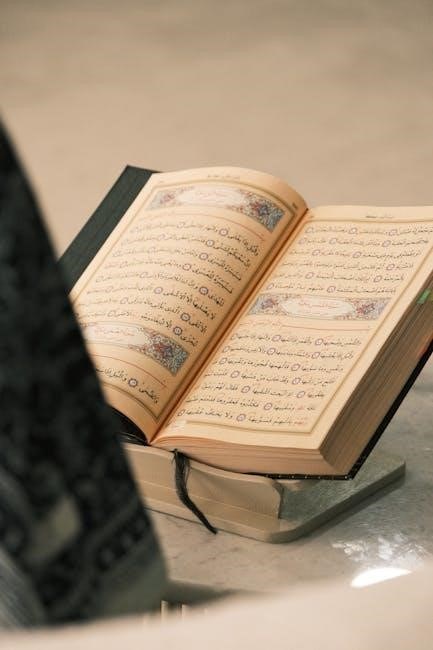
Accessing Dua Khatam Quran in PDF Format
Dua Khatam Quran PDFs are easily accessible online via platforms like the Internet Archive and the Digital Library of India, offering free downloads.
Availability on the Internet Archive
The Internet Archive hosts a digitized copy of Dua Khatmul Quran by Ghulam Mohammad Sayyid Aslami, making it freely available for download, borrowing, and streaming.
Catalog information reveals it was accessioned on September 14, 2015, and digitally published in 2011. The document is identified by the barcode 99999990080329 and the identifier ASL-221.
Users can access it through a dedicated URI (http://www.new.dli.ernet.in/handle/2015/430532). The scanning was completed at the Allama Iqbal Library, University of Kashmir, designated as scan number 3. This resource provides convenient access to this important supplication.
Downloading the PDF from Digital Library of India
The Digital Library of India provides access to the Dua Khatmul Quran PDF authored by Ghulam Mohammad Sayyid Aslami. This resource allows users to freely download the document for personal use and study.
The PDF is cataloged with identifier details, including dc.identifier.uri: http://www.new.dli.ernet.in/handle/2015/430532, facilitating direct access. The document’s origin path is /data11/data52/upload/0024/138, and it’s copy number one.
The library’s metadata confirms the PDF’s availability since September 14, 2015, offering a reliable source for obtaining this significant Islamic text.
File Details: Pages, Size, and Scanning Information
The Dua Khatmul Quran PDF, as available through the Digital Library of India and Internet Archive, comprises a concise 22 pages. The document’s scanning was completed at the Allama Iqbal Library, University of Kashmir, ensuring quality digitization.
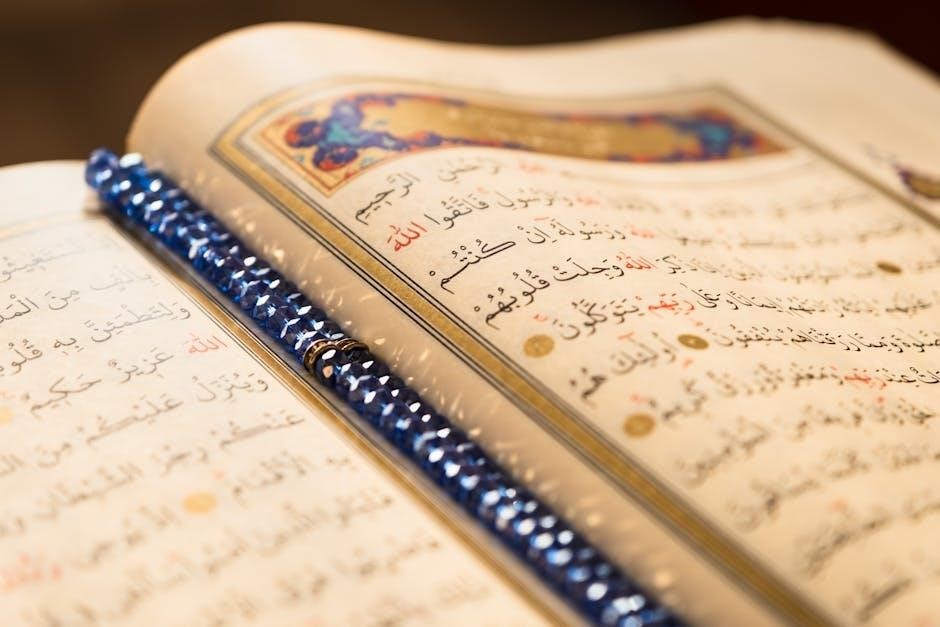
Its barcode identifier is 99999990080329, and it was originally accessioned on September 14, 2015. The digital publication date is noted as 2011, indicating when the electronic version was initially created.
The file format is application/pdf, ensuring broad compatibility. Scan number 3 identifies the specific scan used for the digital copy, and it is tagged as ‘0’.
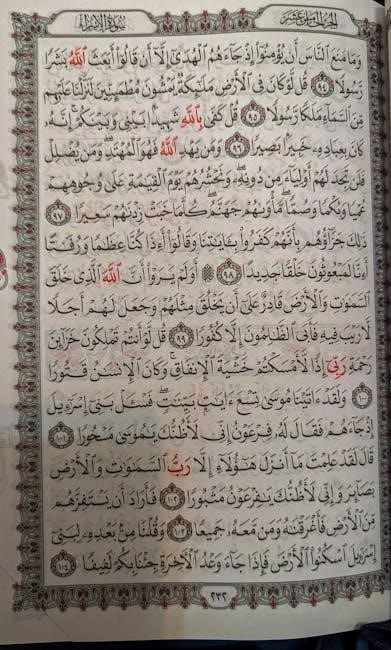
The Significance of Dua After Quran Completion
Dua, or supplication, following Quran completion is highly valued in Islam, offering a chance to seek forgiveness, Paradise, and divine protection from Allah.
The Importance of Making Dua (Supplication)
Dua holds immense significance in Islam, serving as a direct connection between the believer and Allah. Following the completion of Khatam-e-Quran, making dua is considered particularly potent. It’s a moment to express gratitude for the ability to recite the entire Quran and to earnestly seek blessings.
The act of supplication isn’t merely reciting pre-defined prayers; it’s a heartfelt conversation with the Divine. Individuals are encouraged to personalize their dua, voicing their specific needs, desires, and seeking guidance. This practice embodies humility and reliance on Allah’s mercy.
It’s believed that dua made after Khatam-e-Quran has a higher likelihood of acceptance, as the reciter has just engaged in a profound spiritual act. The PDF resources available facilitate access to recommended supplications, but personal, sincere dua remains paramount.
Specific Prayers Recommended After Khatam
While personal dua is highly encouraged, certain supplications are traditionally recited after completing Khatam-e-Quran. These often focus on seeking forgiveness from Allah for past sins and imploring His guidance for the future. The Dua Khatam Quran PDF provides a structured collection of these recommended prayers.
Common themes include requests for entry into Paradise (Jannah) and protection from the trials of this world and the hereafter. Many supplications also emphasize seeking strength to understand and implement the teachings of the Quran in daily life.
The 2004 Mecca Tarawih dua, recited by Sheikh Abdul Rahman Al Sudais, is also frequently associated with Khatam completion, offering a powerful and comprehensive supplication.
Dua for Forgiveness, Paradise, and Protection
The Dua Khatam Quran extensively features supplications centered around seeking Allah’s forgiveness (Istighfar) for shortcomings and transgressions. It implores divine mercy and pardon for both apparent and hidden sins.
A significant portion is dedicated to requesting admission into Paradise (Jannah), describing its blessings and expressing a sincere desire to be among the righteous. Simultaneously, the dua seeks protection from the torment of Hellfire (Jahannam) and all forms of evil.
These petitions also encompass a plea for safeguarding against worldly trials (fitnah) and ensuring steadfastness on the straight path, guided by the Quranic teachings. The PDF serves as a guide for these heartfelt requests.
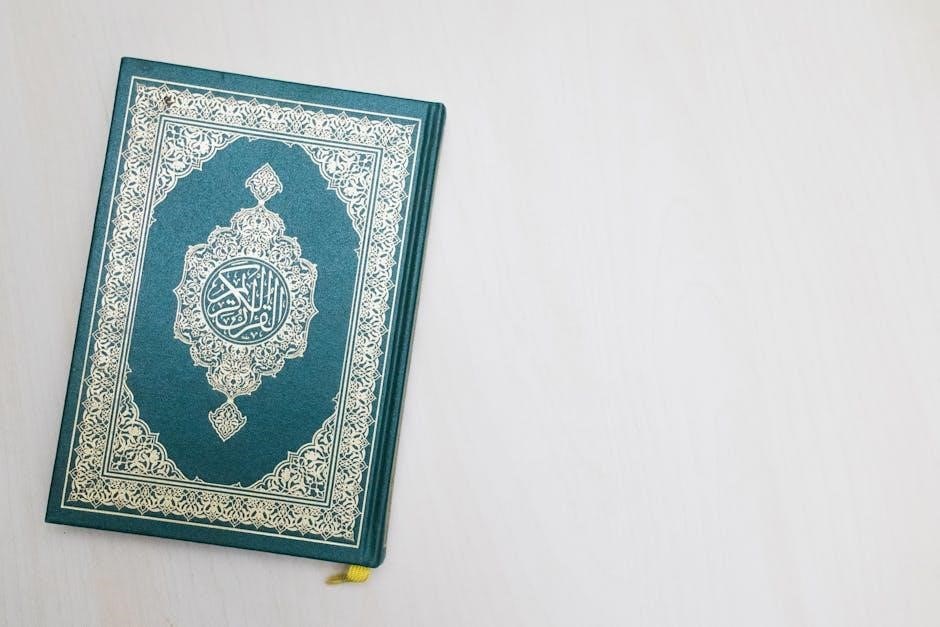
Content and Structure of the Dua

Dua Khatam Quran presents the Arabic text alongside transliteration, aiding recitation. It encompasses key themes of supplication, deeply rooted in Quranic principles and guidance.
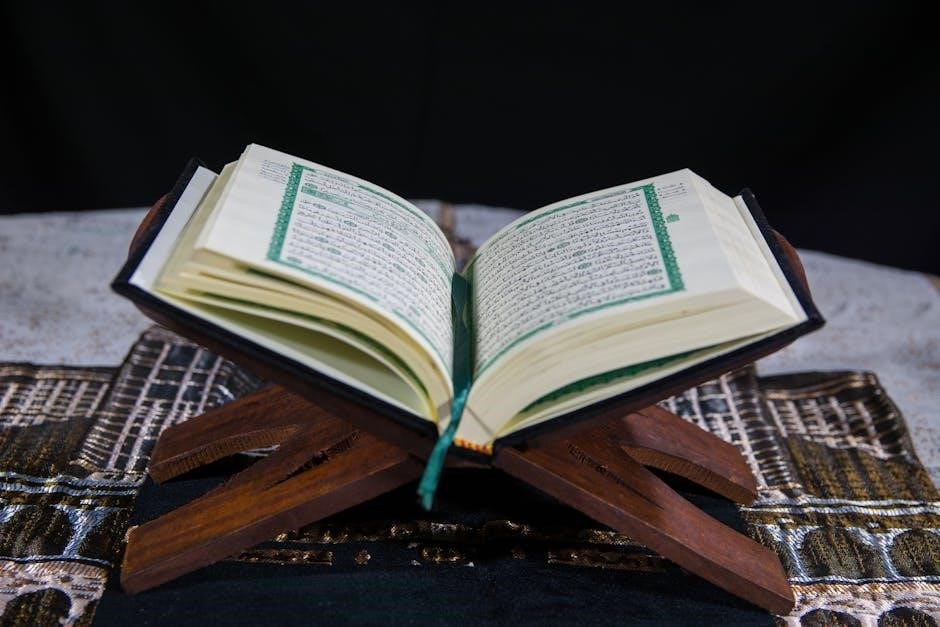
Arabic Text and Transliteration
The Dua Khatam Quran PDF prominently features the original Arabic text of the supplications. Recognizing that not all users are fluent in Arabic, many versions also include a detailed transliteration. This transliteration aims to provide a phonetic guide, enabling individuals to pronounce the Arabic words correctly, even without prior knowledge of the language.
This dual presentation – Arabic script alongside transliteration – is crucial for accessibility and widespread use. It allows a broader audience to engage with the supplications meaningfully. The transliteration often employs a standardized system to ensure consistency and clarity in pronunciation. Careful attention is given to accurately representing the sounds of the Arabic language, facilitating proper recitation and understanding of the Dua.
Key Themes and Supplications Included
The Dua Khatam Quran encompasses a wide range of heartfelt supplications, deeply rooted in Islamic teachings. Central themes revolve around seeking forgiveness from Allah (SWT) for past sins and imploring His mercy. Prayers for attaining Paradise (Jannah) and seeking refuge from the torments of Hellfire are also prominent.
The Dua includes requests for protection from trials and tribulations (fitnah), and guidance in understanding and acting upon the teachings of the Quran. Supplications often express a desire to memorize the Quran and consistently live by its principles. It’s a comprehensive plea for spiritual elevation and closeness to Allah, reflecting the profound connection fostered through Quranic recitation.
Connection to Quranic Teachings
Dua Khatam Quran isn’t a separate entity from the Quran itself, but rather a natural outflow of its teachings. The supplications directly reflect the themes and values emphasized throughout the Holy Book – repentance, gratitude, seeking guidance, and striving for righteousness.
Each plea within the Dua echoes verses that encourage believers to turn to Allah in humility and devotion. It embodies the spirit of submission and reliance on the Divine, central tenets of Islamic faith. Reciting this Dua after completing the Quran serves as a powerful way to internalize its message and translate it into sincere worship and a commitment to a virtuous life.

Variations and Related Duas
Dua Khatam Quran shares connections with other supplications, like the 2004 Mecca Tarawih Dua recited by Sheikh Abdul Rahman Al Sudais, enhancing post-Quran completion devotion.
Mecca Tarawih Dua (2004) and its Relevance
The 2004 Mecca Tarawih Dua, frequently associated with Dua Khatam Quran, holds significant relevance as a powerful supplication recited after completing Quran recitation. This particular dua, delivered by Sheikh Abdul Rahman Al Sudais, is widely respected and often sought after by Muslims globally.
Its connection stems from the shared practice of making heartfelt dua (supplication) following the completion of the Quran. While not identical in wording to the standard Dua Khatam Quran text, it embodies similar themes of seeking forgiveness, guidance, and blessings from Allah. Many individuals incorporate elements or the entirety of the 2004 dua into their post-Khatam rituals, viewing it as a spiritually enriching addition.
Digital resources often present this dua alongside the Dua Khatam Quran PDF, highlighting its importance within the broader context of Quranic completion practices.
Other Supplications for Completing Quran Recitation
Beyond the specific Dua Khatam Quran by Aslami and the 2004 Mecca Tarawih dua, a wealth of other supplications are traditionally used upon completing Quran recitation. These diverse duas reflect the personal connection Muslims seek with Allah after engaging with the divine text.
Many individuals choose to recite duas focused on forgiveness of sins, seeking entry into Paradise, and protection from the trials of this world and the hereafter. Others opt for verses from the Quran itself, particularly those emphasizing reliance on Allah and seeking His guidance.
The flexibility in choosing a dua underscores the importance of sincerity and heartfelt intention. Resources accompanying the Dua Khatam Quran PDF often acknowledge this variety, encouraging Muslims to supplement with personally meaningful supplications.
Dua Recited by Sheikh Abdul Rahman Al Sudais
A notable dua frequently associated with Quran completion is the one recited by Sheikh Abdul Rahman Al Sudais during the 2004 Mecca Tarawih prayers. This powerful supplication has gained widespread recognition and is often sought after by Muslims globally.
The transcript of Sheikh Al Sudais’ dua is available online in various formats, including PDF, alongside resources for the Dua Khatam Quran. It’s characterized by its eloquent Arabic and profound expressions of humility before Allah, seeking forgiveness and guidance.
Many consider reciting this dua a blessed practice following Khatam, believing it carries significant spiritual weight due to the Sheikh’s esteemed status and the sacred setting of the Masjid al-Haram.

Practical Guidance for Using the Dua
Dua recitation after Khatam is best done with sincerity and understanding. Personalize your supplications, and utilize resources to improve Arabic pronunciation for optimal benefit.
Timing and Conditions for Recitation
Reciting the Dua Khatam Quran is traditionally performed immediately after completing the entire Quran. This signifies a moment of profound spiritual connection and gratitude to Allah. While there isn’t a strict prescribed time, the practice emphasizes sincerity and a humble heart.
Many prefer reciting it during the last night of Ramadan, coinciding with Laylat al-Qadr, or after the final verses are read during any time of the year. It’s considered beneficial to perform this dua in a state of wudu (ablution) and facing the Qibla, demonstrating reverence and focus.
There are no specific conditions beyond a sincere intention and a respectful demeanor. The emphasis lies on heartfelt supplication and seeking forgiveness, guidance, and blessings from Allah SWT.
Personalizing Dua After Khatam
While the Dua Khatam Quran provides a beautiful and comprehensive supplication, Islam encourages personalizing dua. After reciting the standard dua, individuals are highly encouraged to add their own heartfelt requests and needs to Allah SWT.
This allows for a more intimate connection and addresses specific life challenges, aspirations, and concerns. One can supplicate for forgiveness of sins, guidance in worldly affairs, success in the afterlife, and well-being for family and community.
Remember, Allah is most merciful and loves to hear the sincere pleas of His servants. Combining the established dua with personal supplications creates a powerful and meaningful experience.
Resources for Learning Arabic Pronunciation
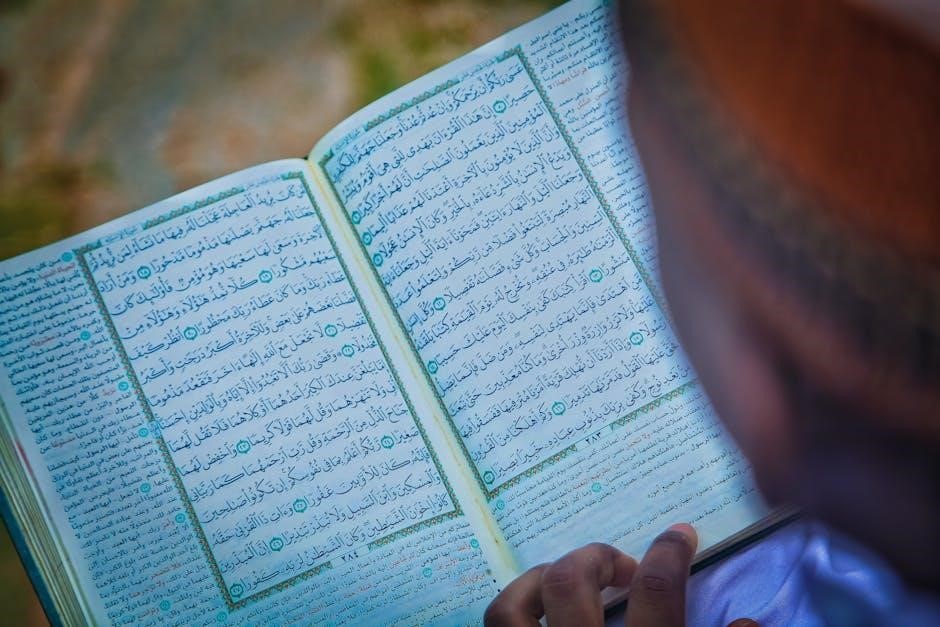
Accurate pronunciation is vital when reciting the Dua Khatam Quran, as mispronunciation can alter the meaning of the supplication. Numerous online resources can aid in mastering the Arabic sounds. Websites like Forvo offer audio pronunciations by native speakers, allowing you to hear the correct articulation of each word.
YouTube channels dedicated to Quranic Arabic, such as those by qualified Qaris (reciters), provide detailed lessons on Tajweed (rules of recitation). Additionally, apps like Memrise and Duolingo offer Arabic language courses, including pronunciation practice.
Consistent practice and listening to authentic recitations are key to improving your Arabic pronunciation and ensuring your dua is offered with reverence and accuracy.