The Gilded Age: A Parents Guide
Navigating this era’s complexities with your family requires awareness. Discussions about societal shifts, wealth disparities, and historical context are crucial for a richer viewing experience.
Overview of “The Gilded Age”
“The Gilded Age,” a lavish HBO drama, transports viewers to 1880s New York City, a period of immense economic growth and social upheaval. The series centers on Marian Brook, a young woman who, after a family tragedy, finds herself navigating the complexities of high society. She’s thrust into the contrasting worlds of her old money aunts and the ambitious, newly rich Russell family.
The show vividly portrays the stark contrast between established aristocratic families clinging to tradition and the ruthless, determined “new money” families seeking to climb the social ladder. It’s a world of opulent balls, extravagant homes, and fierce competition, all set against the backdrop of rapid industrialization and societal change. Expect intricate costumes, stunning set designs, and a compelling narrative filled with ambition, betrayal, and social maneuvering.
While offering captivating entertainment, “The Gilded Age” also subtly explores themes of class, power, and the evolving role of women in society. It’s a visually stunning and intellectually stimulating series that provides a glimpse into a pivotal moment in American history, making it a potentially valuable, yet complex, viewing experience for families.
Historical Context: The Real Gilded Age
The actual Gilded Age (roughly 1870-1900) was a period of rapid economic growth in the United States, fueled by industrialization and technological advancements. However, this prosperity masked significant social problems – vast wealth inequality, political corruption, and labor unrest. The term “Gilded” implies a superficial layer of brilliance concealing underlying issues.

Following the Civil War, industries like railroads, steel, and oil boomed, creating fortunes for a select few – the “robber barons.” Simultaneously, millions of immigrants arrived seeking opportunity, often facing harsh working conditions and poverty. This era witnessed the rise of powerful monopolies and a widening gap between the rich and the poor.
Events like the Fourth of July celebrations, while patriotic, occurred during a time of significant social tension. Understanding this historical backdrop is crucial when watching the series, as it provides context for the characters’ motivations and the societal conflicts depicted. The show accurately reflects the era’s opulence, but also hints at the darker realities beneath the surface, offering a valuable learning opportunity.
Main Characters and Their Families
The series centers around two prominent families: the old-money van Rhijns and the newly-rich Russells. The van Rhijns, led by the dignified Agnes van Rhijn and her sister Ada Brook, represent established New York society and fiercely guard their traditions.
Marian Brook, Agnes’ niece, arrives from rural Pennsylvania and becomes a focal point, navigating the complexities of this new world. The Russells, George and Bertha, are ambitious and determined to break into high society, challenging the established order with their wealth and relentless social climbing.
Other key characters include Peggy Scott, a young African-American woman seeking independence, and various members of the New York elite. Understanding the dynamics within and between these families is essential. Their interactions highlight the rigid social hierarchy and the struggles for power and acceptance during the Gilded Age. Each character embodies different facets of the era’s societal landscape, offering rich material for discussion.
Age Appropriateness: Is it Suitable for Children?

“The Gilded Age” is generally best suited for teenagers and older children, approximately 14 and up, due to its complex themes and mature content. While not overtly graphic, the series delves into adult situations like social maneuvering, financial schemes, and romantic entanglements that may not be appropriate for younger viewers.
The show’s pacing is deliberate, focusing heavily on dialogue and character interactions, which might not hold the attention of younger children accustomed to faster-paced programming. The historical context, while fascinating, requires a certain level of maturity to fully grasp the nuances of the era’s social and political landscape.
Parents should be prepared to discuss potentially sensitive topics with their children, such as class disparities and societal prejudices. Careful consideration of a child’s maturity level and prior exposure to similar themes is crucial before allowing them to watch.
Content Concerns: Mature Themes
“The Gilded Age” explores several mature themes requiring parental awareness. Social climbing and ambition are central, often depicted through manipulative behavior and strategic alliances, potentially prompting discussions about ethics and integrity. Financial dealings, including speculation and potential fraud, are present, offering opportunities to discuss responsible financial practices.
Romantic relationships, while not explicitly graphic, involve courtship rituals and societal expectations of the time, which may necessitate conversations about historical context and evolving relationship dynamics. The series subtly addresses societal prejudices and class divisions, presenting instances of discrimination and inequality that can spark important dialogues about social justice.
While violence isn’t a primary focus, conflicts arise from social clashes and power struggles. Parents should be mindful of these elements and prepared to address any questions or concerns their children may have regarding the complexities of the era.
Social Commentary and Discussion Points
“The Gilded Age” provides a rich backdrop for exploring societal commentary. The series vividly portrays the stark contrast between “old money” and “new money,” prompting discussions about social mobility and the changing American landscape. Examining the characters’ motivations – their pursuit of status, wealth, and acceptance – can lead to conversations about values and priorities.
The show’s depiction of industrialization’s impact on society offers a chance to discuss the benefits and drawbacks of progress, including labor conditions and economic inequality. The role of women during this period, constrained by societal expectations yet striving for agency, is a particularly compelling discussion point.
Families can explore themes of ambition, betrayal, and the compromises people make to achieve their goals. Consider discussing how historical events shape individual lives and the enduring relevance of these themes in contemporary society.
Costume and Set Design as Historical Insights
“The Gilded Age’s” meticulous costume and set design aren’t merely aesthetic; they’re powerful historical tools. The opulent gowns, elaborate hairstyles, and detailed interiors reflect the era’s immense wealth and social stratification. Discuss with your family how clothing signified status and adherence to societal norms.
The contrasting styles between the established families and the newly rich reveal the tensions between tradition and modernity. The sets – grand mansions versus more modest homes – visually demonstrate the economic disparities of the time. Encourage observation of the details: furniture, artwork, and even the arrangement of rooms offer clues about the characters’ lives and values.
Use the visual richness of the series as a springboard for researching Gilded Age architecture, fashion, and interior design. This can deepen understanding and appreciation for the historical context.
Language Used in the Series
“The Gilded Age” employs language reflective of the late 19th century, though often modernized for accessibility. While not entirely archaic, the dialogue incorporates formal speech patterns, elaborate phrasing, and vocabulary less common today. This presents a valuable opportunity to discuss linguistic evolution with your children.
Pay attention to the nuances of how characters from different social classes communicate. The established elite often use more refined language, while those newly acquiring wealth may exhibit a different style. Discuss how language can be a marker of social standing and aspiration.
Consider exploring the historical context of specific words or phrases used in the series. Researching the origins and meanings can enhance understanding and provide insight into the era’s cultural values. It’s a chance to expand vocabulary and appreciate the richness of the English language.
Violence and Conflict Depiction

“The Gilded Age” portrays conflict primarily through social maneuvering, verbal sparring, and power struggles rather than graphic physical violence. However, tensions frequently escalate, and instances of intimidation, sabotage, and heated arguments are present. These conflicts often stem from class disparities, ambition, and societal expectations.
While overt physical altercations are infrequent, the series depicts the harsh realities of the era, including the potential for unrest and the consequences of economic hardship. Discussions surrounding these themes can help children understand the complexities of the Gilded Age and the roots of social conflict.
Parents should be prepared to discuss the emotional impact of these conflicts and the motivations behind the characters’ actions. It’s an opportunity to explore themes of justice, fairness, and the ethical implications of pursuing wealth and power. Consider the subtle forms of aggression and their consequences.
Romantic Relationships and Courtship
“The Gilded Age” showcases courtship rituals vastly different from modern dating. Expect elaborate social calls, carefully orchestrated balls, and a strong emphasis on societal approval and financial suitability in potential matches. Romantic relationships are often intertwined with family ambitions and social climbing.
The series subtly explores the constraints placed upon women during this period, where marriage was often viewed as a primary path to security and status. Discussions about agency, expectations, and the power dynamics within relationships can be valuable for families.
While passionate feelings exist, they are frequently tempered by societal expectations and practical considerations. Parents should be prepared to discuss the complexities of these relationships, including the potential for unrequited love, societal pressure, and the limitations placed upon individual choice. The series offers a window into a bygone era of romance.
Class and Social Hierarchy Representation
“The Gilded Age” vividly portrays the rigid class structure of 1880s New York. The series meticulously depicts the vast chasm between the established, old-money families and the newly rich industrialists – often referred to as “new money.” This creates a fascinating, and sometimes fraught, dynamic.
Expect to see detailed representations of the lifestyles, customs, and expectations associated with each social stratum. Discussions about privilege, opportunity, and the limitations imposed by social standing can be incredibly insightful for families. The series doesn’t shy away from showcasing the inherent inequalities of the time.
Parents should be prepared to discuss the implications of this social hierarchy, including the challenges faced by those attempting to navigate or transcend their assigned class. The show offers a compelling opportunity to explore themes of social mobility, prejudice, and the pursuit of acceptance within a highly stratified society.
Portrayal of Wealth and Poverty
“The Gilded Age” doesn’t shy away from illustrating the stark contrast between extravagant wealth and abject poverty prevalent during the late 19th century. The opulent mansions and lavish lifestyles of the elite are juxtaposed with glimpses into the struggles of the working class and those living in less fortunate circumstances.
This visual disparity provides a powerful platform for discussing economic inequality and its societal consequences. Parents can use the series as a springboard to explore the historical context of wealth distribution, labor practices, and the challenges faced by those striving for a better life.
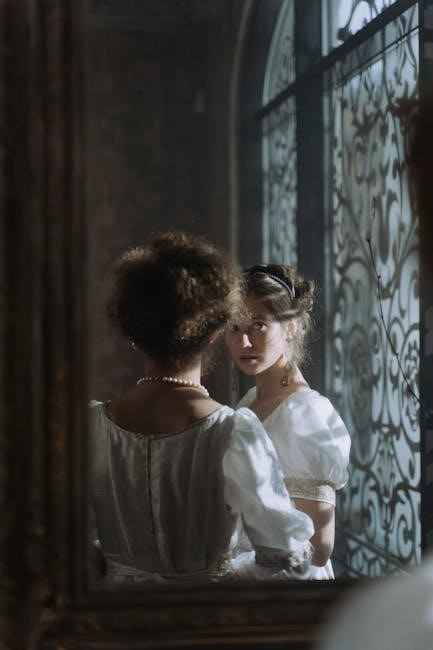
The show subtly highlights the dependence of the wealthy on the labor of others, prompting conversations about fairness, opportunity, and the responsibilities that come with privilege. Expect scenes depicting both the conspicuous consumption of the upper class and the harsh realities endured by those less privileged, fostering critical thinking about social justice.

Impact of Industrialization on Society
“The Gilded Age” vividly portrays a society undergoing rapid transformation due to industrialization. The series showcases the burgeoning railroad industry, the rise of new technologies, and the shift from agrarian life to urban centers – all hallmarks of this era.
Parents can leverage this depiction to discuss the complex consequences of industrial progress. Explore themes of urbanization, immigration, and the changing nature of work. The show subtly illustrates how these advancements created both opportunities and challenges for different segments of society.
Discuss the impact on family structures, the emergence of a new middle class, and the widening gap between the rich and the poor. The series offers a window into the social disruptions caused by rapid economic change, prompting conversations about adaptation, innovation, and the human cost of progress. It’s a chance to explore how these shifts shaped modern America.
Role of Women in the Gilded Age
“The Gilded Age” presents a nuanced portrayal of women navigating a restrictive societal landscape. The series highlights the limited opportunities available to women, particularly in terms of education, employment, and political participation, while simultaneously showcasing their growing agency.

Parents can use this as a springboard to discuss the evolving roles of women during this period. Explore the expectations placed upon them – maintaining the household, upholding social decorum, and securing advantageous marriages – and the subtle ways in which some women challenged these norms.
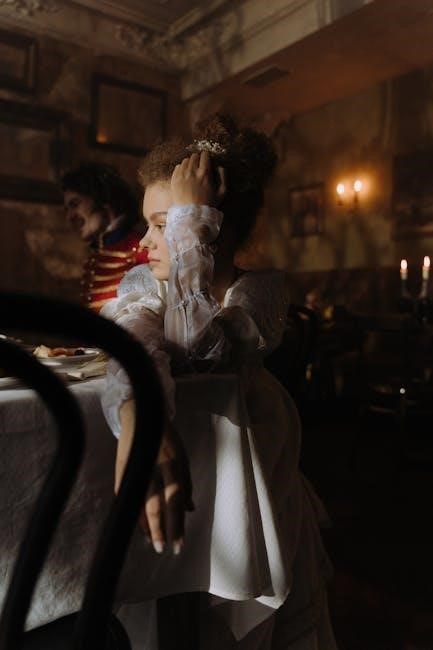
The show depicts women forming alliances, pursuing intellectual interests, and subtly influencing societal change. Discuss the emergence of women’s clubs and the early feminist movements. It’s a valuable opportunity to examine the constraints faced by women and their resilience in striving for greater autonomy and recognition within a patriarchal society.
Racial Dynamics and Representation
“The Gilded Age” acknowledges, though doesn’t fully center, the stark racial inequalities prevalent during the period. The series depicts the experiences of African Americans, particularly within the context of the burgeoning Black middle class in New York City, and the systemic racism they faced.
Parents should be prepared to discuss the limited representation and the historical realities of segregation, discrimination, and the struggle for civil rights. The show offers a glimpse into the lives of Black professionals and entrepreneurs, but it’s crucial to contextualize this within the broader framework of racial injustice.
Engage in conversations about the power dynamics at play and the ways in which race influenced social interactions, economic opportunities, and access to resources. Supplement viewing with further research on the African American experience during the Gilded Age to provide a more comprehensive understanding of this complex history.
Discussion Starters for Families
Following an episode, initiate conversations about the characters’ motivations and the societal pressures they face. Ask: “How did wealth influence the characters’ choices?” or “What were the expectations placed upon women during this time?”
Explore the themes of ambition, social climbing, and the pursuit of status. Discuss the ethical implications of the characters’ actions and whether their methods were justified. Encourage critical thinking about the portrayal of different social classes and the disparities in power and privilege.
Relate the historical context to contemporary issues. How do the themes of wealth inequality, social mobility, and political corruption resonate today? Prompt your children to consider the long-term consequences of these societal forces. Discuss the importance of empathy and understanding diverse perspectives, fostering a deeper appreciation for history and its relevance to the present.
Educational Resources to Supplement Viewing
To enrich your family’s understanding of the Gilded Age, explore resources beyond the series. The Metropolitan Museum of Art offers extensive collections from the period, providing visual context for the costumes and settings. Online archives, like those from the Library of Congress, showcase primary source documents – letters, photographs, and newspapers – offering firsthand accounts.
Consider documentaries focusing on American history during the late 19th century, detailing industrialization, immigration, and political reforms. Books geared towards young adults can provide accessible narratives of the era’s key events and figures. Websites dedicated to historical fashion can illuminate the significance of clothing as a status symbol.
Encourage research projects focusing on specific aspects of the Gilded Age, such as the lives of prominent industrialists or the challenges faced by immigrant communities. This fosters critical thinking and a deeper appreciation for the complexities of this transformative period in American history.
Comparison to Other Historical Dramas
“The Gilded Age” shares similarities with, yet distinctly differs from, other popular historical dramas. Compared to “Downton Abbey,” it presents a more overt display of wealth and social climbing, focusing on New York’s burgeoning elite rather than the British aristocracy. While both explore class dynamics, “The Gilded Age” emphasizes the rapid societal changes driven by industrialization.
Unlike “Bridgerton’s” romanticized Regency era, this series offers a grittier, more realistic portrayal of the period, acknowledging the stark contrast between opulent lifestyles and widespread poverty. It echoes themes in “Victoria,” examining the impact of societal shifts on established families, but with a uniquely American perspective.
“The Crown” focuses on the internal workings of a monarchy; “The Gilded Age” showcases the creation of a new aristocracy based on wealth and ambition. Discussing these comparisons can help children understand how different historical dramas interpret and represent the past.
Where to Watch and Streaming Options

Currently, “The Gilded Age” is primarily available on HBO Max (now simply Max), offering both seasons for streaming. Access requires a subscription to Max, which provides various tiers with differing video quality and device access. Checking the Max website or app will confirm the most up-to-date subscription details and pricing.
OSN also features HBO Exclusives, potentially including “The Gilded Age,” depending on regional licensing agreements. Families located outside the US should investigate OSN’s offerings to determine availability. Purchasing episodes or seasons digitally through platforms like Apple TV or Amazon Prime Video is another option, though it may involve a higher upfront cost.

Keep an eye on potential future availability on other streaming services as licensing agreements evolve. Regularly checking streaming guides and entertainment news sources will help you stay informed about where to watch the series.
Future Seasons and Potential Storylines
As of today, May 4th, 2026, “The Gilded Age” has been renewed for a third season, promising continued exploration of New York’s high society. Potential storylines hint at deeper dives into the personal lives of the Russell and Brook families, alongside the evolving dynamics of their social circles.
Expect further examination of the burgeoning industrial landscape and its impact on individual fortunes and societal structures. The series may also broaden its scope to address the complexities of racial dynamics and the role of women in a rapidly changing America. Characters like Peggy Scott’s journey as a writer could be significantly expanded.
Speculation suggests new rivalries and alliances will emerge, potentially involving fresh faces and unexpected twists. The show’s creators have indicated a desire to explore lesser-known historical figures and events, enriching the narrative with authentic details and compelling drama.